
Zubsolv vs Suboxone

Zubsolv vs. Suboxone: What You Really Need to Know
Navigating treatment for opioid dependence can feel overwhelming. Between medications, dosages, and side effects, it’s easy to feel like you need a translator for your own treatment plan. Two medications that often come up are Zubsolv and Suboxone. Both are designed to help manage opioid dependence, but they have differences that may influence which one is right for you. At White Oak Recovery Center in Hollywood, California, we understand how important it is to have clear, straightforward information so you can make informed decisions about your recovery journey.
What Is Zubsolv?
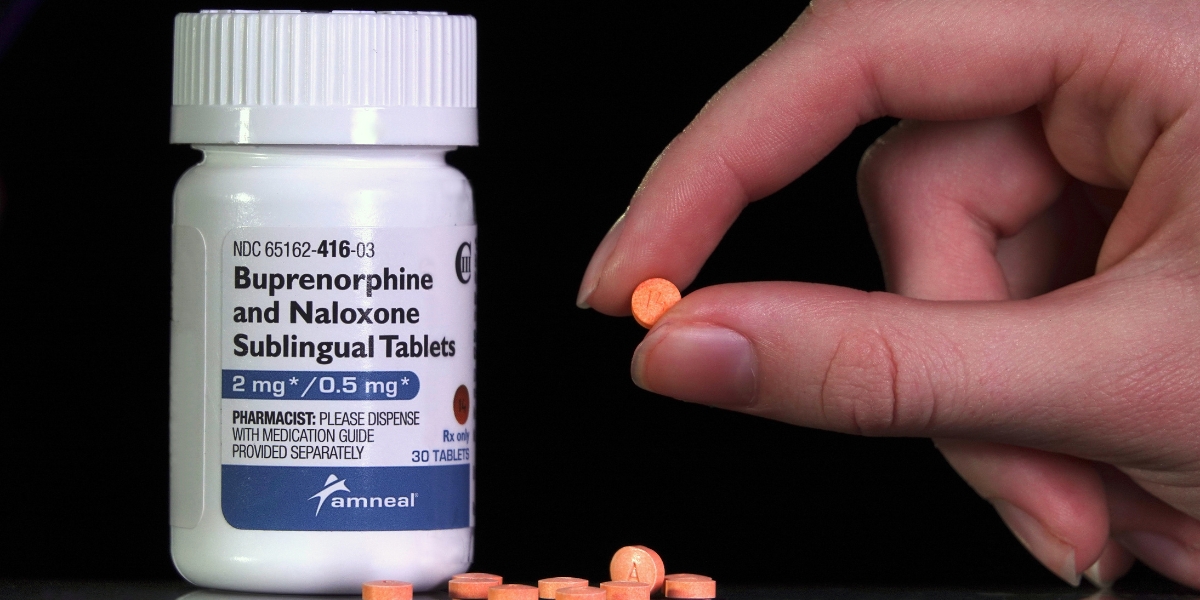
Zubsolv is a prescription medication approved for the treatment of opioid dependence. It contains buprenorphine and naloxone, just like Suboxone, but in a slightly different formulation. Zubsolv is designed to dissolve quickly under the tongue, making it easier for some patients to take. Its fast-dissolving tablets can offer a more controlled delivery of medication, which may improve adherence for people who struggle with keeping up with their treatment schedule.
Table of Contents
ToggleZubsolv comes in multiple doses, giving healthcare providers flexibility to tailor treatment to an individual’s specific needs. Because the formulation is a bit stronger per milligram than Suboxone, smaller doses are often sufficient to achieve the same effect. This is why you might hear the term Zubsolv doses vs. Suboxone being discussed among patients and providers.
What Is Suboxone?
Suboxone is one of the most well-known medications for opioid dependence. Like Zubsolv, it contains a combination of buprenorphine and naloxone. Suboxone is available as a sublingual film or tablet, which patients place under their tongue to dissolve. The naloxone component is included to discourage misuse by injection.
Suboxone has a long history of clinical use and a track record of helping people reduce cravings and manage withdrawal symptoms effectively. Its versatility and proven efficacy make it a common first-line option for many individuals entering opioid treatment programs. Suboxone can be prescribed in various doses, and healthcare providers will adjust the amount based on the patient’s tolerance and specific needs.
What Is the Difference Between Suboxone and Zubsolv?
Although Zubsolv vs. Suboxone might seem very similar on the surface, there are a few key differences. One of the main distinctions is the formulation. Zubsolv tablets are smaller and dissolve faster than Suboxone tablets or films. This can make Zubsolv easier to take for people who have difficulty with taste or keeping the medication in their mouth.
Another difference is in potency. Zubsolv tablets are more concentrated than Suboxone, which means lower doses can achieve similar effects. This is why discussions around Zubsolv doses vs. Suboxone are important. What looks like a smaller dose of Zubsolv may actually be equivalent to a larger dose of Suboxone. Additionally, some patients report differences in how each medication affects cravings and withdrawal, which brings up the topic of Zubsolv vs. Suboxone side effects. Side effects are generally similar, including nausea, headache, and mild constipation, but individual responses can vary.
Common Side Effects
Suboxone and Zubsolv both reduce cravings and opioid withdrawal symptoms, empowering individuals to focus on their path to recovery. However, the medicines share common side effects, including abuse.
Side effects include:
- Nausea
- Vomiting
- Constipation
- Excessive sweating
- Dizziness
- Blurred vision
- Watery eyes
- Headaches
- Slurred speech
- Stomach pains
- Muscle aches
- Insomnia
- Confusion
- Feeling uncoordinated
- Liver problems
If you suspect you or someone you know is experiencing an opioid overdose, call 911 and get emergency help immediately. Consult with a medical professional before you continue using any of these medications.
Is Zubsolv as Strong as Suboxone?
Yes, Zubsolv is considered equivalent in strength to Suboxone, but it is more concentrated, so the milligram amounts differ. For example, a lower milligram dose of Zubsolv may provide the same effect as a higher dose of Suboxone. This difference in formulation can be important when transitioning from one medication to the other or when fine-tuning doses to manage withdrawal symptoms effectively.
Ultimately, the strength varies from person to person. It depends on how their body responds to the medication. This is one reason why personalized treatment plans are crucial. Healthcare providers at White Oak Recovery Center carefully monitor responses to ensure the dosage meets the patient’s needs without causing unnecessary side effects.
Can You Take Zubsolv and Suboxone Together?
It is generally not recommended to take Zubsolv and Suboxone together. Both medications contain buprenorphine and naloxone, and taking them simultaneously can increase the risk of side effects without providing additional benefit. Doing so may also complicate the management of your dosage and potentially trigger withdrawal symptoms or other complications.
Patients should always follow their healthcare provider’s guidance when switching from one medication to another. Transitioning typically involves carefully tapering one medication and starting the other under supervision. At White Oak Recovery Center, our team guides patients through this process to ensure safety and comfort, providing support every step of the way.
Opioid Dependence
Opioid dependence is a chronic condition that affects millions of people, impacting physical health, mental well-being, and daily life. Medications like Zubsolv and Suboxone are part of a broader treatment strategy that includes therapy, counseling, and lifestyle support. They help reduce cravings, manage withdrawal, and support long-term recovery.
Treatment is most effective when it is individualized. Factors such as prior opioid use, co-occurring mental health conditions, and personal preferences all play a role in deciding whether Zubsolv or Suboxone is the right choice. For many patients, starting with a medical detox under supervision can help manage withdrawal safely before transitioning to medications like Zubsolv or Suboxone. Compassionate, medically supervised care is critical in supporting recovery while minimizing discomfort and risk.
Finding the Right Support in Addiction Recovery
Choosing between Zubsolv and Suboxone doesn’t have to feel like navigating a maze alone. Both medications are effective tools for managing opioid dependence, but the right choice depends on your individual needs, lifestyle, and response to treatment. Whether it’s concerns about Zubsolv vs. Suboxone side effects, dosing differences, or how to transition safely, expert guidance makes all the difference.
At White Oak Recovery Center in Hollywood, California, our admissions team is here to provide clear information, compassionate addiction care, and practical support for every step of your recovery journey. Understanding your options is empowering, and taking that first step toward treatment is a powerful act of self-care. Recovery isn’t one-size-fits-all, but with the right guidance, it is absolutely possible.


Am I covered for addiction treatment?
Your insurance may cover treatment. Call now for an entirely free and confidential assessment. Recovery starts with a phone call.

Medical Disclaimer: