
Understanding Xanax Risks


The Thin Line Between Relief and Risk
Xanax (alprazolam) often enters people’s lives quietly through a prescription meant to calm anxiety or stop panic attacks. But what begins as relief can slowly turn into dependence, misuse, and in some cases, life-threatening consequences. Understanding how Xanax affects the body, especially when mixed with other substances, can be the difference between safety and serious harm.
The easy availability and euphoric effects of Xanax position it as the most misused drug in its class. Among benzodiazepines, Xanax is predominantly mixed with alcohol for abusive purposes. Notably, benzodiazepines contribute to nearly one-third of intentional overdose incidents or suicide attempts. All benzodiazepines can slow or even stop breathing, but Xanax carries a higher risk than many others. Things become especially dangerous when Xanax is mixed with alcohol or opioids. These substances amplify each other’s effects, making dependence more likely and increasing the strain on the body. While Xanax may be used safely when taken exactly as prescribed, combining it with other substances greatly raises the risk of serious harm, including overdose and death.
What Is Xanax?
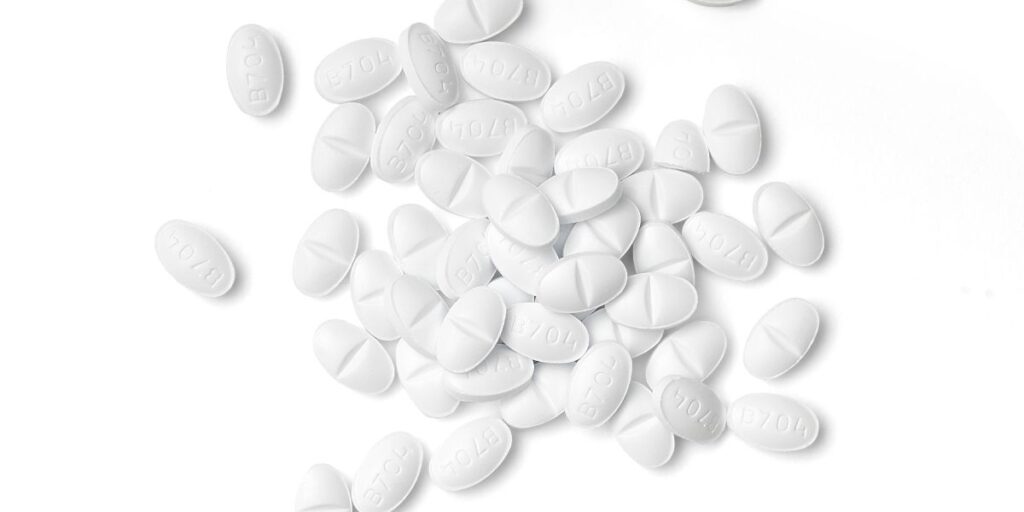
Xanax is a medication that doctors prescribe to help with anxiety disorders and panic disorders. It is a Schedule IV controlled substance that has a limited risk of misuse and addiction. Generic name alprazolam, a sedative drug that belongs to the benzodiazepine category of medicines and affects our central nervous system.
Doctors frequently recommend alprazolam in the US, and it can generate sensations of joy and calmness. Nonetheless, it possesses habit-forming characteristics that may cause physical dependence. Although some people use it for pleasure, its misuse can lead to dangerous consequences.
Because Xanax acts quickly in the brain, it can reinforce repeated use, especially for individuals seeking immediate relief from emotional distress. This fast onset is one reason Xanax carries a higher misuse risk compared to longer-acting benzodiazepines.
Side Effects of Xanax
Xanax is a potent medication used to treat anxiety. It is part of a group of drugs made to help with anxiety. You can feel its impact within 30 minutes, lasting approximately six hours.
Xanax makes you feel relaxed and happy, but its side effects come from its specific chemicals designed for therapy. Typical adverse reactions encompass sleepiness, tiredness, and memory loss.
Other side effects of Xanax include:
- Sleeplessness
- Impaired speech
- Lack of equilibrium or coordination
- Migraine
- Agitation
- Vision distortion
- Loose stools
- Bowel irregularity
- Memory problems
- Sickness
- Fluctuations in hunger or body mass
- Edema in the hands or feet
- Muscular feebleness
- Reduced sexual drive
Regularly taking alprazolam is linked to long-term memory loss, hostile behavior, and mania. Furthermore, taking alprazolam continuously is linked to specific forms of mental decline.
These side effects may intensify with higher doses or prolonged use, increasing the likelihood of accidents, impaired decision-making, and emotional instability.
Xanax Withdrawal Symptoms
Stopping Xanax might cause withdrawal symptoms that you usually don’t see with other similar medicines. When people stop taking alprazolam, they may feel confused and have strange thoughts. However, this is less likely to happen with other similar medicines.
Withdrawing from Xanax often presents particularly severe symptoms, so that some patients may need emergency room care. Furthermore, people know benzodiazepine withdrawal syndrome for its intense symptoms.
Typically, it includes the following:
- Sleeplessness
- Heightened worry and unease
- Episodes of panic
- Shaking hands
- Perspiration
- Trouble focusing
- A sensation of being ill
- Loss of weight
- Head pain
- Muscular discomfort and rigidity
- Rapid heartbeat
- Diverse alterations in mental perception and thinking
In high-dose, chronic users, more severe symptoms have been observed, including seizures and psychotic reactions, which can be life-threatening.
Withdrawal from Xanax
A gradual dose reduction, or tapering, is advised to mitigate withdrawal risks. Specifically for Xanax, it is recommended by the manufacturer that the daily dose not be decreased by more than 0.5 mg every three days.
For some users, tapering may need to be slower than the recommended rate. For prolonged, regular usage, it is advisable to transition to a benzodiazepine with a more extended effect duration, like clonazepam or diazepam, and slowly reduce the dosage.
These strategies facilitate a smoother benzodiazepine detox process and typically lead to fewer withdrawal side effects. However, in some rare instances, these methods may not effectively prevent Xanax withdrawal symptoms. Medical supervision during withdrawal is critical, as symptoms can escalate quickly and become dangerous without proper monitoring.
Xanax and Suicide
There are reports of depression and suicide attempts linked to people taking alprazolam. However, the connection remains unclear due to the common practice of combining it with other substances.
What is clear, however, is that mixing Xanax with alcohol or opioids significantly increases impulsivity, emotional numbness, and respiratory depression, which are all factors that elevate suicide and overdose risk.

Overdosing on Xanax
Xanax overdoses lead to a decrease in blood pressure, pulse, and breathing. While overdoses solely from alprazolam are rare, fatalities from overdoses involving alprazolam along with alcohol and opioids are increasing.
Can You Overdose on Xanax?
Overdosing on Xanax alone is rare. When people mix alprazolam with other substances, they significantly increase the risk of overdose and fatal outcomes.
Benzodiazepines, alcohol, and opioids are all types of drugs that slow down your breathing. Drinking too much alcohol and taking benzodiazepines can cause you to stop breathing.
This is similar to what happens during a heroin overdose. In an overdose, the brain fails to signal the body to breathe. Moreover, the likelihood of respiratory failure and fatality notably increases when combining alprazolam with opioids.
Signs of Xanax Misuse and Addiction in You or Your Loved Ones
Xanax addiction often develops slowly, which can make it difficult to recognize right away. What may begin as using the medication for anxiety or panic can gradually turn into relying on it to cope with everyday stress, sleep problems, or emotional discomfort. As tolerance builds, a person may start needing more Xanax to feel the same effects, increasing the risk of dependence.
Some common warning signs of Xanax misuse include:
- Taking higher doses than prescribed or taking Xanax more frequently than directed
- Using Xanax without a prescription or borrowing it from others
- Mixing Xanax with alcohol or other substances to intensify its effects
- Feeling unable to relax, sleep, or function normally without Xanax
- Running out of prescriptions early or seeking refills from multiple providers
In addition to changes in use, behavioral and emotional signs may appear over time, such as:
- Becoming secretive or defensive about medication use
- Mood swings, irritability, or increased anxiety between doses
- Memory problems, confusion, or difficulty concentrating
- Withdrawing from family, friends, or activities once enjoyed
- Changes in sleep patterns, motivation, or daily routines
It’s important to remember that these signs don’t reflect weakness or failure. Xanax dependence can happen to anyone, especially when the medication is used over an extended period. Recognizing these changes early creates an opportunity for support, not judgment. If you notice these warning signs in yourself or someone you love, professional treatment can help address both the physical dependence and the underlying reasons Xanax use began, which can be the first step in offering a safer path forward.
Xanax Addiction Treatment at White Oak Recovery Center in Hollywood
Because Xanax affects the central nervous system, quitting without medical support can be dangerous. Professional treatment provides structured detox, medical oversight, and therapy to address both physical dependence and underlying mental health conditions like anxiety or trauma.
Integrated care improves long-term outcomes and reduces the risk of relapse or overdose. With the right treatment, you can prevent overdose, handle withdrawal symptoms, and stay in recovery using coping strategies.
If you or someone you know is struggling with abusing Xanax, please reach out to White Oak Recovery Center. You don’t have to face this alone. Substance use disorders are widespread and treatable, and seeking help is a brave step.
We are here to support you with 24-hour medical supervision during detox and comprehensive therapies and treatments. Reach out to our admissions team now.


Medical Disclaimer: