
Inside the Vicodin Withdrawal Experience

Learn From White Oak Recovery Center in Hollywood, California
Vicodin might seem like a small pill with big relief, but when dependence sets in, it can quickly take over your body’s rhythm and your peace of mind. Whether it started after a surgery, injury, or just trying to get through the day, realizing you’ve developed a reliance on this prescription painkiller can feel overwhelming. But here’s the truth: Vicodin withdrawal isn’t a dead end. It’s a signal that your body and mind are ready to heal.
At White Oak Recovery Center in Hollywood, California, we’ve helped countless people safely navigate the challenges of Vicodin withdrawal and rediscover their health, confidence, and balance. You don’t have to face the physical discomfort and emotional rollercoaster alone. With the right support, treatment, and care, recovery is not just possible. It’s absolutely within reach.
Table of Contents
ToggleWhat Is Vicodin?
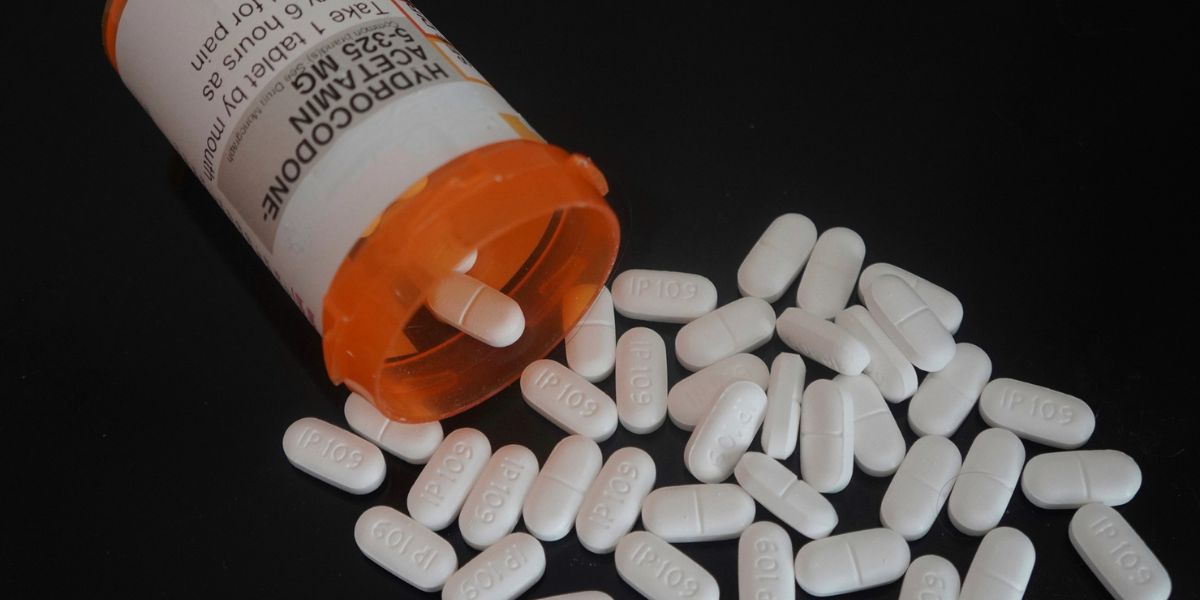
Vicodin is a prescription pain medication that combines hydrocodone (an opioid) and acetaminophen (commonly found in Tylenol). It’s typically prescribed for moderate to severe pain, such as after surgery or injury. When taken as directed and for a short time, Vicodin can be effective, but it also has a dark side.
Hydrocodone affects the brain’s opioid receptors, triggering pain relief and a sense of euphoria. Over time, your brain adapts, needing more of the drug to achieve the same effect. That’s when dependence and addiction can begin to take hold. What started as a doctor’s prescription can quietly evolve into something more, including cravings, mood changes, and physical reliance that are difficult to break without professional help.
Vicodin Abuse and Addiction
Vicodin, an opioid, swiftly leads to dependence, even when used as prescribed. While dependence doesn’t guarantee addiction, it significantly raises the risk.
With prolonged use, tolerance to Vicodin escalates, requiring increased and more frequent dosages to achieve the same effect. Heightened tolerance signifies a physical reliance on Vicodin for normal functioning, with many people also developing psychological dependence.
It’s common to combine Vicodin with other central nervous system depressants to amplify its effects. Such polydrug use can lead to co-occurring mental health disorders, complex withdrawal symptoms, and the risk of overdose.
The risk factors for Vicodin addiction include:
- A familial history of addiction
- Previous personal substance abuse
- Prevalent mental health conditions
- Persistent pain issues
- Readily available access to Vicodin
Signs of Vicodin Addiction
It can be hard to spot signs of Vicodin addiction, especially when it’s being used for a valid medical reason. Still, as the addiction gets worse, noticeable changes in behavior, physical health, and mental state emerge.
Typical behavioral indicators of Vicodin addiction are:
- Depleting their prescription prematurely
- Consulting several doctors to obtain prescriptions
- Soliciting medication from friends and family
- Theft from acquaintances and relatives
- Ignoring duties and neglecting personal cleanliness
- Isolating from social interactions and relationships
- Experiencing job-related issues
- Engaging in risky behaviors or making unwise decisions to acquire more medication
- Demonstrating an inability to cease usage
Physical symptoms of Vicodin addiction include:
- Sleepiness
- Constricted or enlarged pupils
- Runny nose
- Sleeplessness
- Continuous fidgeting or pacing
- Delayed reflexes or movements
- Constipation
- Manifesting withdrawal symptoms upon consuming the opioid
Typical mental and psychological symptoms of Vicodin addiction include:
- Fluctuations in mood
- Strong desires for the medication
- Obsession with obtaining and consuming the drug
- Memory impairment
- Depressive states
- Diminished interest in previously enjoyable activities
- Concentration challenges
- Impaired reasoning and judgment
- Suicidal thoughts
Addiction signs and symptoms can slowly appear, making it hard for loved ones to notice the changes in behavior.
Withdrawal Symptoms of Vicodin
Vicodin withdrawal symptoms occur when someone who’s become physically dependent on the drug suddenly stops taking it. Because Vicodin contains hydrocodone, an opioid, the body reacts strongly when the drug is removed.
Early symptoms often feel like a bad case of the flu, such as muscle aches, sweating, chills, and nausea. As the body continues to detox, more intense symptoms can appear, such as vomiting, insomnia, anxiety, and restlessness. These signs of Vicodin withdrawal are uncomfortable, but they’re also temporary. They’re your body’s way of recalibrating after prolonged exposure to opioids.
The timeline of withdrawal can vary depending on how long you’ve been using Vicodin and in what doses. Typically, symptoms begin within 6–12 hours after the last dose and peak within 2–3 days. Without medical support, these symptoms can be difficult to manage, which is why many people benefit from professional medical detox programs in Los Angeles, like the one at White Oak Recovery Center.
How to Ease Withdrawal Symptoms from Vicodin
The best way to ease withdrawal is with medical supervision. While it might sound tempting to quit “cold turkey” at home, opioid withdrawal can be unpredictable and sometimes unsafe. In a medical detox setting, doctors and nurses monitor your symptoms and provide medication to reduce discomfort, cravings, and anxiety. This approach allows your body to detox safely while minimizing the physical strain.
Hydration, rest, and nutrition also play important roles in supporting your recovery. Our team provides holistic care. We don’t only address the physical effects of withdrawal, but we also look at the mental and emotional sides. Therapy, group support, and mental health treatment help individuals build coping skills and manage the challenges that led to addiction in the first place.
What Are the Symptoms of Withdrawal from Vicodin?
While the experience is different for everyone, common Vicodin withdrawal symptoms include:
- Muscle aches and joint pain
- Nausea and vomiting
- Sweating and chills
- Runny nose and watery eyes
- Anxiety, agitation, and irritability
- Difficulty sleeping
- Abdominal cramps and diarrhea
- Fatigue and loss of appetite
As unpleasant as these symptoms can be, they’re part of the healing process. The body is working hard to regain equilibrium without the drug. In professional detox care, medications such as buprenorphine or clonidine may be used to reduce symptoms, helping you get through withdrawal more comfortably and safely.
At White Oak Recovery Center, we understand that withdrawal can feel intimidating. That’s why we create individualized detox plans based on your history, health, and comfort needs. No two recovery journeys look the same, and that’s okay.
What Does Vicodin Withdrawal Feel Like?
For many, Vicodin withdrawal feels like a mix between a heavy flu and emotional turbulence. There’s the physical discomfort, including aching muscles, sweating, and chills, followed by the emotional crash that can come from suddenly losing a substance your brain has depended on. Feelings of anxiety, depression, and irritability are common, often accompanied by intense cravings for Vicodin.
This is where compassionate support makes all the difference. Trying to manage withdrawal alone can make relapse more likely because the discomfort becomes too much to bear. In a professional rehab setting, you’re surrounded by people who understand what you’re going through and can provide care, encouragement, and structure throughout detox and recovery. It’s not about punishment or judgment. It’s about healing and reclaiming your life.
Vicodin Withdrawal Treatment
Vicodin withdrawal treatment typically begins with medical detox, where the body is safely cleared of the drug under the supervision of licensed professionals. Detox isn’t just about managing symptoms; it’s also about preparing you for the next phase of recovery. At our California rehab, detox is followed by therapy, counseling, and mental health support designed to uncover the root causes of addiction.
Our treatment approach combines evidence-based therapies with holistic practices, like mindfulness, nutrition, and exercise, to restore physical and emotional health. Because addiction doesn’t happen in isolation, we focus on treating the whole person: mind, body, and spirit. Our admissions team works with each client to design a treatment plan that fits their goals and life circumstances, offering hope and a clear path forward.
Vicodin Withdrawal in Los Angeles
If you’re looking for help with Vicodin withdrawal in Los Angeles, you’re not alone, and you don’t have to face it without help. Hollywood might be known for its glamour, but it’s also home to compassionate, world-class recovery programs like White Oak Recovery Center. Our facility offers a safe space to heal, surrounded by professionals who genuinely care about your success and well-being.
The first step toward recovery may feel intimidating, but it’s also the most courageous one you’ll take. Whether you’ve been struggling with Vicodin for months or years, there’s no “too late” to start over. Detox is just the beginning. It’s a foundation for long-term healing and a future free from addiction.
The Hard Part’s Over, and Now Healing Begins
Overcoming Vicodin withdrawal isn’t just about getting through a tough few days. It’s about reclaiming your health, confidence, and future. The withdrawal process might feel challenging, but with the right care, support, and environment, it’s the first chapter of your recovery story.
At White Oak Recovery Center, we believe in treating each person with compassion, respect, and evidence-based care. Our team understands the complexities of addiction and mental health, and we’re here to guide you every step of the way. If you or someone you love is experiencing Vicodin withdrawal symptoms, reach out to our admissions team today. Your recovery starts with one brave step, and we’ll be here to walk with you the rest of the way.

Am I covered for addiction treatment?
Your insurance may cover treatment. Call now for an entirely free and confidential assessment. Recovery starts with a phone call.

Medical Disclaimer: