
Why Alcohol Can Leave Your Hands Shaking

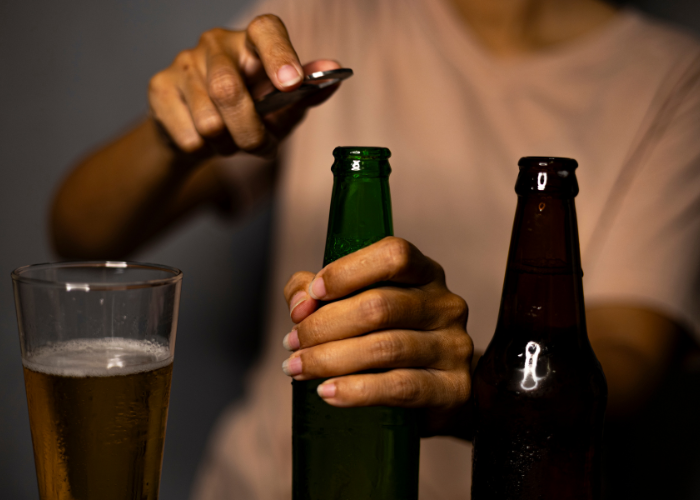
Ever tried to hold a cup of coffee in the morning and noticed your hands shaking like you just drank three espressos on an empty stomach? For some people, that jittery feeling isn’t from caffeine at all. It’s from alcohol.
Shaking hands, also known as tremors, can be one of the most noticeable physical signs of alcohol misuse. Sometimes it happens after a night of heavy drinking. Other times, it shows up when someone hasn’t had a drink in a while. Either way, it can be confusing, frustrating, and even a little scary. Many people quietly wonder, “Can alcoholism cause shaking hands?” The short answer is yes.
Shaking hands from alcohol abuse is a common symptom tied to how alcohol affects the brain, nervous system, and body over time. For people struggling with alcohol use, these tremors can be an early warning sign that the body is under strain. Understanding why it happens and what can be done about it is an important step toward recovery.
Why Does Alcohol Make Your Hands Shake?
Alcohol affects the central nervous system, which controls everything from mood to movement. When someone drinks heavily or regularly, the brain gradually adjusts to the presence of alcohol. It slows certain signals down to balance the depressant effects of drinking.
Over time, the body becomes dependent on that chemical balance. When alcohol levels drop, the nervous system can swing in the opposite direction and become overactive. That’s when symptoms like hands shaking from alcohol may appear.
Shaking hands from drinking alcohol isn’t just about the alcohol itself. It’s about the body trying to recalibrate. The tremors can happen the morning after drinking, during periods of withdrawal, or even after alcohol dependence has been developing quietly for years.
For some people, the shaking is mild and temporary. For others, it can be persistent enough to interfere with daily tasks like writing, holding objects, or typing.
Shaking Hands From Alcohol Withdrawal
Many people who drink heavily notice shaking hands from alcohol withdrawal. This is because when someone who drinks regularly suddenly cuts back or stops, the body has to adjust to functioning without alcohol in its system.
Withdrawal symptoms can start as early as a few hours after the last drink. Tremors are often among the earliest signs. People may notice shaking hands from alcohol withdrawal when they wake up, try to pour a drink, or perform small tasks that require steady hands.
Other withdrawal symptoms may include:
- Anxiety or restlessness
- Sweating or chills
- Trouble sleeping
- Nausea
- Headaches
In more severe cases, alcohol withdrawal can become dangerous and lead to serious complications. That’s why medical supervision is often recommended when someone decides to stop drinking after long-term use.
Experiencing shaking hands from alcohol abuse doesn’t necessarily mean someone is in severe withdrawal. However, it can be a sign that the body has become dependent on alcohol to regulate itself.
Can Alcoholism Cause Shaking Hands?
Many people ask the same question. Can alcoholism cause shaking hands? The answer is yes, and there are a few reasons why.
Long-term alcohol misuse can affect the nervous system, muscles, and brain chemistry. When alcohol becomes a regular part of someone’s routine, the body adapts. Over time, those adaptations can lead to tremors that show up when alcohol isn’t present.
Chronic drinking may also affect:
- Brain signaling related to motor control.
- Nutrient absorption, especially with vitamins like B1.
- Nerve health.
- Overall neurological function.
All of these factors can contribute to shaking hands from alcohol abuse. In some cases, tremors improve once someone stops drinking and begins healing. In others, the shaking may take time to stabilize as the body recalibrates.
The key takeaway is that persistent tremors are worth paying attention to. They’re often the body’s way of signaling that something deeper may be going on.
How to Stop Shaking Hands From Alcohol
If someone is experiencing tremors related to alcohol use, they often want to know how to stop shaking hands from alcohol as quickly as possible. The honest answer is that stopping the shakes usually means addressing the underlying alcohol use.
That doesn’t mean people have to figure it out alone. Professional support can make the process safer and more manageable. Fortunately, there are many effective ways to address tremors.
Medical Detox
Medical detox allows people to stop drinking under supervision. Doctors and clinical staff can monitor withdrawal symptoms and provide medications when needed. This can significantly reduce the risks associated with shaking hands from alcohol withdrawal.
Residential Treatment
Programs like residential treatment provide a structured environment where people remain at a facility where they can focus fully on recovery. This includes therapy, support groups, and personalized treatment plans designed to address both substance use and mental health concerns.
Therapy and Mental Health Support
Alcohol misuse is often connected to underlying emotional challenges. Therapies that address depression, anxiety, trauma, and stress can help people understand why alcohol became part of their coping strategy in the first place.
Dual Diagnosis Treatment
Many people dealing with alcohol misuse also struggle with mental health conditions. Dual diagnosis programs treat both issues simultaneously, improving the chances of long-term recovery.
When someone asks how to stop hands from shaking from alcohol, the answer usually involves medical care, support, and time for the body to heal.
When Shaking Hands Are a Sign It’s Time for Help
It’s easy to brush off trembling hands as stress, caffeine, or lack of sleep. But persistent shaking hands from alcohol abuse can be a sign that alcohol is taking a bigger toll than someone realizes.
If tremors appear regularly, especially in the morning or after periods without drinking, it may be time to take a closer look at your drinking habits.
Other signs that alcohol may be becoming a problem include:
- Needing alcohol to feel normal or steady.
- Drinking to avoid withdrawal symptoms.
- Difficulty cutting back.
- Increased anxiety, irritability, or depression.
- Drinking interferes with work, relationships, or health.
Recognizing these patterns isn’t about judgment. It’s about awareness. For many people, noticing physical symptoms like shaking hands from alcohol is what finally prompts them to seek support.
Finding Support for Alcohol Recovery
Recovery from alcohol misuse is possible, and the right support can make all the difference. At White Oak Recovery Center, individuals receive compassionate, personalized care designed to treat both substance use and any underlying mental health concerns.
As a trusted California rehab center, our treatment programs offer comprehensive California addiction treatment services that include medical support, evidence-based therapies, and structured residential treatment programs. For individuals dealing with co-occurring mental health conditions, dual diagnosis care helps address challenges like anxiety and depression alongside alcohol recovery.
If you or someone you love is experiencing symptoms like shaking hands from alcohol abuse, reaching out can be an important first step. The admissions team at White Oak Recovery Center can help answer questions, explain treatment options, and guide you toward the support you deserve.
Sometimes the body whispers before it shouts, and experiencing shaking hands might be the message that it’s time for change.

Am I covered for addiction treatment?
Your insurance may cover treatment. Call now for an entirely free and confidential assessment. Recovery starts with a phone call.

Medical Disclaimer: