
How Remeron Addiction Can Take Hold




It starts innocently enough. A small pill that helps you finally sleep, lifts your mood, and maybe even brings back your appetite. But for some, what begins as a prescription for peace becomes a quiet dependency that’s hard to break. Mirtazapine is the generic name for Remeron, a medication used to treat depression. This drug has sedative, pain-relieving, and increased appetite effects, which explains why it can help with various symptoms. However, those same effects of calm, comfort, and control can also become catalysts for misuse and lead to what’s known as Remeron addiction.
What Is Remeron (Mirtazapine)?
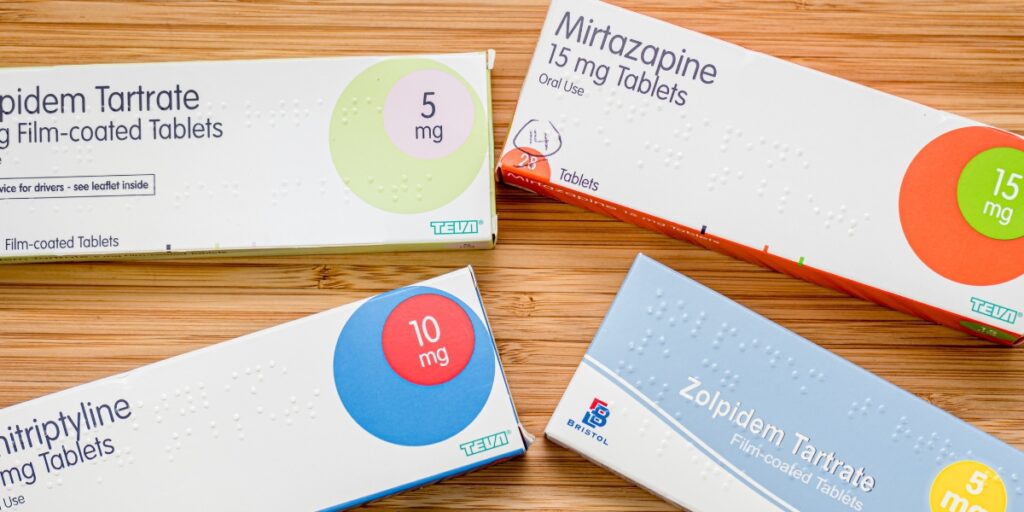
Mirtazapine (Remeron) is an FDA-approved atypical antidepressant used mainly to treat major depressive disorder, predominantly in people who also have insomnia and are underweight. Remeron has a complex formulation with numerous effects on the central nervous system.
Mirtazapine belongs to a group of medications called tetracyclic antidepressants. Tricyclic antidepressants (TCAs) were first released in 1959 as a medicine for major depressive disorder. Still, today TCAs help treat many conditions such as insomnia, panic disorder, obsessive-compulsive disorder, post-traumatic stress disorder (PTSD), anxiety disorders, headaches, and migraines.
Unlike traditional SSRIs, Remeron targets multiple neurotransmitters, including norepinephrine and serotonin, to restore chemical balance. This unique action can make it feel more effective or soothing for some people, which can unfortunately make it more tempting to misuse.
Remeron Tablets
Remeron is supplied as tablets. According to the National Institutes of Health, the recommended starting dose for Remeron is 15 mg tablets daily. Patients who don’t show improved symptoms typically get prescribed 45 mg daily, the maximum amount.
Remeron tablets are made with two strengths: 15 mg tablets and 30 mg tablets. 15g tablets are yellow and oval-shaped with “MSD” impressed on one side and “T3Z” on the other. The 30 mg tablets are also oval but are red and brown with “MSD” on one side and “T5Z” on the other.
RemeronSolTabs are disintegrating Remeron tablets. They are supplied in three strengths: 15 mg, 30 mg, and 45 mg. All three dosage strengths are round and white with “T1Z” imprinted on the 15 mg tablet, “T2Z” on the 30 mg tablet, and “T4Z” on the 45 mg one.
Because of its sedative qualities, Remeron is often prescribed for nighttime use. This scheduling can make dependency harder to detect, since misuse may at first appear as simple extra help for sleep.
Mirtazapine Side Effects
Mirtazapine has several negative side effects. The adverse effects that happen in more than 10% of people who take the prescription drug include:
- Drowsiness
- Depression
- Weight gain
- Suicidal thoughts
- Dry mouth
- High cholesterol
- Constipation
- Increase in appetite
- Acute pancreatitis
- Liver injury
- Seizures
While many people tolerate Remeron well, long-term or excessive use can intensify side effects, leading some users to chase or counteract the sedative effects with other substances like caffeine, alcohol, or stimulants, increasing their risk of Remeron addiction.
Remeron Drug Interactions
Remeron has many drug interactions. Taking this antidepressant with another sedative drug can dramatically increase the level of its sedative effects. Additionally, it should be taken cautiously or warned against its use because of mirtazapine’s various dangerous interactions with over-the-counter and prescription medications.
These medications include:
- Tramadol
- Diazepam
- Ketoconazole
- Cimetidine
- St. John’s wort
- Tryptophan
- Seizure medications such as phenytoin and carbamazepine
- Migraine medications such as sumatriptan and zolmitriptan
- Mood or thought disorder medication, such as lithium or other antidepressants and antipsychotics
Combining Remeron with any of these drugs can amplify sedation, confusion, or even respiratory distress. People struggling with Remeron addiction often unknowingly mix substances that worsen their dependence or increase withdrawal severity.
How Remeron Addiction Develops
Addiction doesn’t happen overnight, especially with prescription antidepressants. In many cases, dependence on Remeron begins quietly. Someone might take their prescribed dose but enjoy the calming or euphoric effects a little too much. Over time, they may take slightly more to sleep longer, relax faster, or “feel normal.”
This pattern of repeated misuse changes how the brain responds to natural serotonin and norepinephrine levels. Eventually, the body begins to rely on the medication to regulate mood and sleep, creating both psychological and physical dependence. For some, this shift happens within weeks; for others, it develops over months of steady use.
What makes Remeron addiction particularly insidious is its subtlety. Users may believe they’re still taking it “as prescribed,” even as they’ve built tolerance and struggle to function without it.
Recognizing the Signs of Misuse
The signs of Remeron misuse often mirror depression or anxiety symptoms, making them difficult to spot. However, certain behavioral and physical changes can point toward developing addiction, including:
- Taking more than the prescribed dose.
- Using Remeron to sleep or relax beyond doctor recommendations.
- Running out of prescriptions early or seeking refills prematurely.
- Combining Remeron with alcohol or other sedatives for enhanced effects.
- Experiencing cravings or anxiety when missing a dose.
Recognizing these red flags early can make a significant difference in recovery outcomes. Loved ones often notice mood swings, social withdrawal, or increased fatigue before the individual does.
Remeron Withdrawal Symptoms
Stopping Remeron use suddenly or quitting cold turkey can cause discontinuation syndrome, also known as antidepressant discontinuation syndrome, a condition that occurs when you stop using antidepressants abruptly.
About 20% of people develop discontinuation syndrome after quickly stopping the use of an antidepressant taken repeatedly for a month. These symptoms occur within two to four days of stopping use and typically last one to two weeks, but may persist for up to a year.
Remeron withdrawal symptoms include:
- Depression
- Restlessness
- Dizziness
- Insomnia
- Panic attacks
- Decreased appetite
- Ringing or buzzing in the ears
- Nausea and vomiting
- Diarrhea
These symptoms can make stopping without medical support extremely challenging, reinforcing the cycle of Remeron addiction.
Mirtazapine Addiction Treatment at White Oak Recovery Center
If you or a loved one is struggling with mirtazapine addiction or antidepressant abuse and physical dependence, White Oak Recovery Center can help you overcome your substance use disorder and co-occurring mental health conditions to live an empowering life rooted in recovery.
All treatment programs at White Oak Recovery Center (WORC) are evidence-based and deeply rooted in scientific research and evidence. We provide fully customized treatment plans for each resident, ensuring we address your needs and goals during treatment to give you the coping skills to live a life free from drugs or alcohol.
Medical Detox
White Oak Recovery Center’s medical detox program allows you to go through the tapering process surrounded by medical care and supervision. WORC ensures intense withdrawal symptoms are handled with your safety as the top priority and with the appropriate level of medical care.
Cognitive Behavioral Therapy (CBT)
At WORC, we incorporate cognitive-behavioral therapy, or CBT, into every resident’s personalized treatment plan, tailoring it to help you reach sustained sobriety and live in recovery. During CBT, our mental health and substance abuse experts help you build a strong foundation of coping skills that promote healing and recovery.
Recovery from Remeron addiction is not just about stopping the drug. It’s about learning new ways to cope with depression, anxiety, and the pressures that led to misuse in the first place. A fulfilling life free from addiction is possible. Reach out to our admissions team now. Our compassionate treatment specialists are eager to get you the help you need.



Medical Disclaimer: