
What Is Blood Alcohol Content (BAC)?

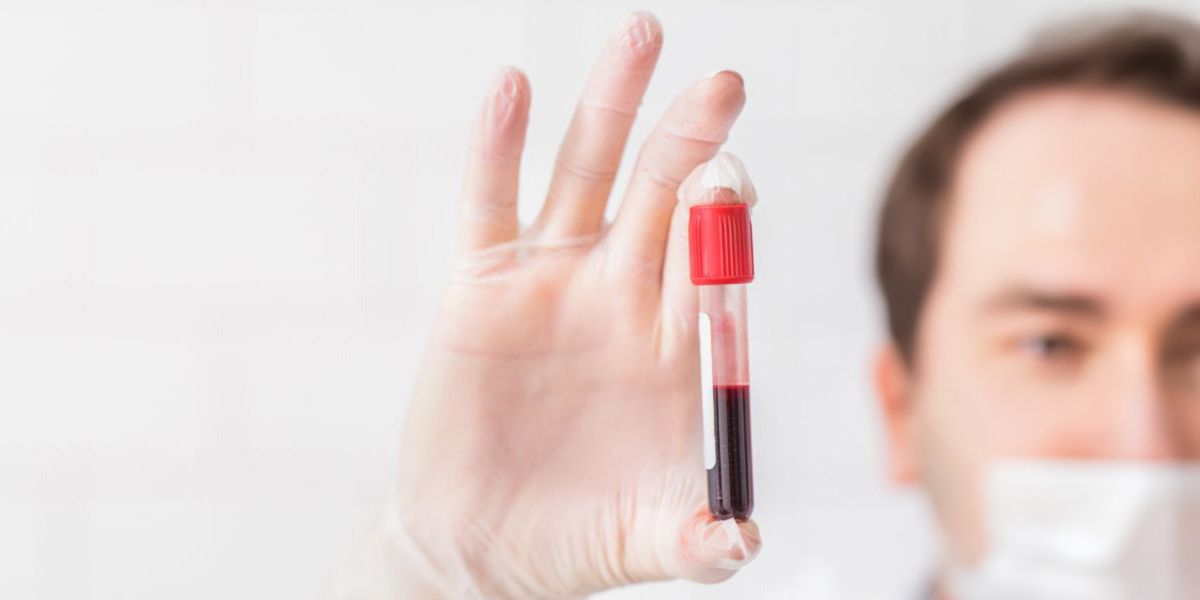
You don’t have to feel drunk for alcohol to already be affecting your brain and body. In fact, long before the room spins, your judgment, reaction time, and decision-making are already changing. Blood alcohol content (BAC) is the number that explains why. Understanding it can help you stay safer, recognize risk, and spot when drinking may be becoming a problem rather than a pastime.
BAC is short for blood alcohol content, indicating the level of alcohol in your bloodstream post-consumption.
The amount of drunkenness is based on how much alcohol is in your blood rather than the number of drinks you have had. In the United States, individuals who are 21 years or older are seen as impaired when their blood alcohol level reaches 0.08%.
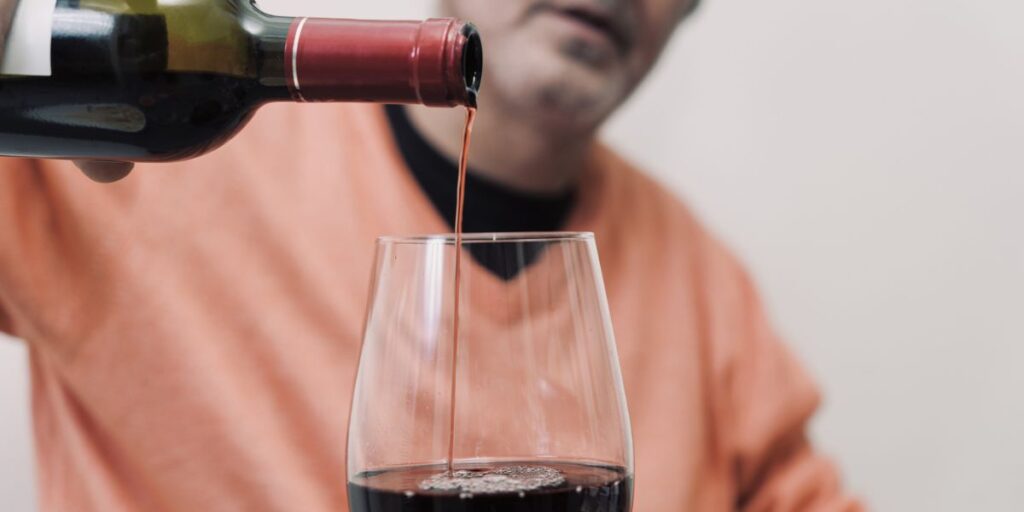
A regular drink usually includes either a 12-ounce glass of beer, a 5-ounce glass of wine, or a 1.5-ounce shot of spirits.
Some bars and restaurants tend to pour drinks serving you more alcohol than the standard amount. This makes it quite simple to reach a BAC above 0.08% after one or two drinks.
Many bars and restaurants serve drinks with heavy pours, giving you more alcohol than usual. This can make reaching a BAC above 0.08% easy with just one or two drinks.
What Is BAC?
Blood alcohol content (BAC) shows how much alcohol is in your blood after drinking alcohol. Alternative expressions for measuring alcohol levels in your system include blood ethanol concentration and blood alcohol level. Varying BAC levels result in distinct degrees of intoxication, carrying different risks. Even small increases in BAC can impair attention, coordination, and impulse control. These are the areas of the brain most vulnerable to substance misuse patterns.
What Factors Affect Blood Alcohol Content?
Several factors influence blood alcohol content (BAC), including:
- Weight: Alcohol is absorbed by water in the body, not by body fat. Since body fat has minimal water content, people with more body fat might exhibit a higher BAC compared to those with less due to slower alcohol elimination.
- Biological sex: Generally, women possess higher body fat percentages and lower blood volumes than men, leading to differing BAC levels even when consuming identical amounts of alcohol.
- Type of Alcohol: The alcohol content varies across beer, wine, and spirits. Carbonated beverages like champagne or mixed drinks with soda get absorbed more quickly into the bloodstream.
- Consumption Rate: The impact of alcohol can take from 30 to 90 minutes to fully manifest. Rapid consumption or binge drinking results in a higher BAC than drinking the same quantity over a longer duration.
- Pre-Drinking Food Intake: Eating before drinking can decelerate the absorption of alcohol, meaning those who consume alcohol on an empty stomach will likely achieve a higher BAC than those who ate beforehand.
- Medications and drugs: Alcohol can interact with both prescription and illegal drugs, potentially elevating BAC levels. You should consult medical professionals before mixing alcohol with any medications.
Numerous myths and misunderstandings exist regarding the factors that influence your blood alcohol content (BAC). However, once alcohol metabolism begins in your body, there is no way to expedite its elimination or alter your BAC.
Consuming large amounts of water, eating substantial amounts to absorb alcohol, physical fitness, consuming energy drinks or caffeine to stay alert, and tolerance levels do not affect BAC once drinking alcohol has stopped, as the alcohol is already circulating in your bloodstream.
How to Determine Blood Alcohol Content
Blood alcohol content (BAC) reflects the amount of alcohol in your bloodstream, measured as grams of alcohol per 100 milliliters of blood.
For instance, a BAC of 0.08 means that 0.08% of your bloodstream is alcohol, not 8%. Similarly, a BAC of 0.25 (often written as .25) means that 0.25% of your blood is alcohol—not 25%—which indicates severe intoxication. At this level, a person may experience confusion, vomiting, loss of coordination, slowed breathing, and even loss of consciousness. Because BAC can rise faster than people expect, especially when drinks are consumed close together, individuals often underestimate how impaired they truly are.
When Is It Safe to Drive After Drinking?
Knowing what a standard drink is and keeping track of how long you’ve been drinking can help you drive safely. The liver can process approximately one drink per hour. However, impairment varies widely between individuals, and even one drink can affect reaction time. The safest choice is always to avoid driving after drinking.
According to the National Institute on Alcohol Abuse and Alcoholism (NIAAA), a standard drink in the United States contains about 14 grams of pure alcohol. The typical equivalents are:
- 12 oz of regular beer (about 5% alcohol)
- 8–9 oz of malt liquor (about 7% alcohol)
- 5 oz of wine (about 12% alcohol)
- 1.5 oz of distilled spirits (about 40% alcohol, or 80 proof)
The only small clarification: malt liquor can vary widely in alcohol content, so 8–9 oz is considered one standard drink at around 7% ABV, but many malt liquors are stronger, which would change the equivalent serving size.
Calculate BAC Level
No accurate BAC calculators exist for the public. Only rough tools can estimate your blood alcohol level.
Some online platforms and apps have tools to help you estimate your BAC, but they are not always accurate.
Experts recommend educating people on the signs of alcohol intoxication and factors that affect BAC levels for accurate monitoring. Tracking how you feel, not just how much you drink, is often more useful than relying on an estimated number.
BAC Levels
Understanding how your body processes alcohol can help you evaluate your intoxication level. Knowing the signs of being drunk is also important. This knowledge can help you determine your blood alcohol level.
The effects of alcohol differ from person to person. See the levels of BAC and known side effects below:
- .02 to .04%: Feeling lightheaded, more cheerful, and less inhibited.
- .05 to .07%: Mild euphoria, relaxed feelings, quicker heartbeat, slight memory impairment, impaired judgment, and shorter attention span.
- .06 to .09%: Impaired balance and coordination, slowed eye movements, coordination issues, slow reactions, diminished self-control, and legally over the limit.
- .10 to .15%: Experiencing sadness or irritability, markedly reduced motor and verbal abilities, blurred vision, slurred speech, feeling sick, sleepiness.
- .16 to .19%: Experiencing confusion, vertigo, disorientation, trouble remaining awake.
- .20 to .24%: High risk of blackout, severe motor function loss, increased risk of nausea and vomiting, trouble walking.
- .25 to .39%: Risk of unconsciousness, profound confusion, incontinence, risk of alcohol poisoning.
- .4% and above: Danger of alcohol overdose, potential coma, cessation of breathing, memory loss, fatal outcomes.

Lethal Blood Alcohol Levels
A blood alcohol concentration of .40% can be potentially fatal.
Nonetheless, many people may begin to lose consciousness at a BAC of .15%, and excessive alcohol consumption carries numerous risks beyond mortality associated with a high BAC. Understanding that heavy or binge drinking doesn’t necessarily indicate alcoholism is important. However, it could be a warning sign of an alcohol issue that is developing. Repeated blackouts, memory gaps, or needing more alcohol to feel the same effect are stronger indicators that help may be needed.
When Drinking Turns Into a Pattern
Many people don’t notice problematic drinking because it develops gradually. What starts as social drinking can shift into coping drinking, such as using alcohol to manage stress, sleep, or emotions. A drink after work becomes the way to relax. A weekend habit becomes a nightly routine. Over time, the brain begins to associate relief, comfort, and emotional regulation with alcohol instead of healthy coping skills.
When BAC regularly rises to intoxication levels, the brain adapts by reducing its natural calming and reward chemicals. This means the same amount of alcohol produces less effect, leading a person to drink more to feel normal rather than to feel buzzed. At this stage, drinking is no longer just recreational. It becomes maintenance.
Common signs a pattern may be forming include:
- Planning activities around alcohol.
- Drinking faster than intended
- Feeling irritable or anxious when you can’t drink.
- Using alcohol to fall asleep.
- Experiencing memory gaps or blackouts.
- Promising yourself you’ll cut back, but not following through.
These changes often happen quietly, without dramatic consequences at first. Responsibilities may still be handled, work may still get done, and relationships may appear stable. Because of this, many people dismiss concerns and assume they still have control, even as alcohol begins to influence mood, mental health, motivation, and daily decisions.
Early education and support can prevent long-term dependency and reduce the risk of withdrawal complications. Recognizing a pattern early is not a sign of failure. It’s a chance to change direction before alcohol takes a larger role in your life.
Inpatient Alcohol Rehab in Southern California
If you or someone you care about is struggling with alcohol abuse, White Oak Recovery Center can assist you. We offer personalized support to help you achieve lasting recovery. Our program tailors to meet your unique needs and guides you on a journey towards healing. Let us help you or your loved one overcome alcohol addiction.
Stopping alcohol use all of the sudden can lead to alcohol withdrawal syndrome, a potentially life-threatening condition. Our center provides on-site medical detox with 24/7 support for your safety and comfort during your stay.
Together, we’ll develop a tailored recovery plan utilizing various effective practices and strategies. We want to help you overcome addiction and understand why it happened. We will give you tools to stay healthy even after you leave our program.
Reach out to talk with one of our compassionate treatment specialists. Take the first step and begin your recovery journey today.


Medical Disclaimer: