
Sleep, Safety, and the Slippery Slope of Ambien

For millions of people, sleep doesn’t come easily. Then, when exhaustion turns into desperation, a small pill can feel like a lifeline. Ambien is often prescribed with good intentions, but for some, what starts as relief quietly turns into dependence. Understanding how Ambien abuse develops is a critical step toward protecting both sleep and overall health.
Over 15 million people in the United States depend on prescribed sleep drugs like Ambien to handle their sleeplessness.
At first, doctors thought sleeping pills were not addictive and had a low risk of causing physical dependence. They were seen to fix bad sleep habits, and more people began using sleep aids. This led to an increase in reports of side effects, health problems, addiction, and overdoses. These issues were often associated with Ambien and other substances.
The National Survey on Drug Use and Health, known as NSDUH, revealed in a 2020 study that an estimated 343,000 people began misusing prescription sleep drugs for the first time.
What Is Ambien?
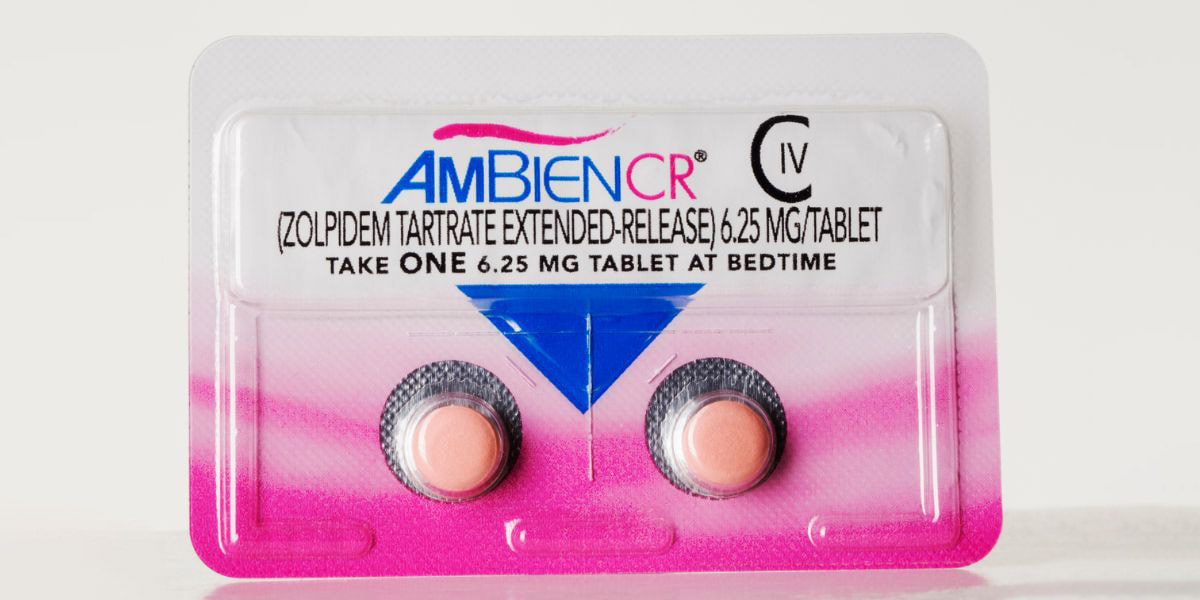
Zolpidem, a drug to treat insomnia and sleep issues, is also called Ambien. It’s a type of medicine known as sedative-hypnotics. These medications are frequently termed as Z-drugs.
Zolpidem is a Schedule IV controlled substance, meaning it has a low risk of misuse and addiction, both physically and psychologically.
Zolpidem comes in different versions, including a regular tablet, an extended-release tablet (Ambien CR), a tablet that dissolves in the mouth (Intermezzo, Edluar), and an oral spray solution (Zolpimist).
Ambien is intended for short-term use rather than long-term treatment. It helps individuals fall asleep more easily and remain asleep for longer periods.
Like benzodiazepines, Ambien works by calming the central nervous system. It affects nerve receptors in the brain, promoting relaxation and sleepiness.

Ambien Addiction
It is possible to become dependent on Ambien in just two weeks. This can happen even though it may take longer than other strong drugs.
The National Institute on Drug Abuse (NIDA) approximates that roughly 1.2 million Americans struggle with sedative misuse.
Addiction to Ambien is similar to benzodiazepine addiction. Some people combine this medication with alcohol and drugs to increase its potency. This can result in addiction and dangerous side effects.
Mixing this medication with other substances can be harmful. It is important to use this medication as directed by a healthcare professional.
The Drug Abuse Warning Network (DAWN) reports that from 2005 to 2010, emergency room visits related to Ambien rose by 220% over those five years. Half of these visits involved interactions with other medications.
Why Ambien Abuse Can Escalate Quickly
Ambien abuse often progresses quietly because tolerance can build before a person realizes anything has changed. What once worked at a low dose may stop producing the same effect, leading individuals to take more than prescribed or use it more frequently than intended. Over time, the brain begins to rely on Ambien to initiate sleep at all, making it difficult, or frightening, to stop without help.
Because Ambien acts on the central nervous system, misuse can also impact judgment, memory, and impulse control. This increases the risk of combining Ambien with alcohol or other substances, which significantly raises the chance of overdose, injury, or dangerous nighttime behaviors.
Ambien Abuse Signs and Symptoms
Identifying Ambien abuse can be difficult, partly because its symptoms can mirror those of insomnia, causing individuals to appear exhausted, irritable, and distracted.
Initially, people may seem to be doing well if they start sleeping better. However, signs and symptoms become more evident over time.
Physical symptoms of Ambien abuse may include:
- Daytime drowsiness
- Reduced coordination
- Dizziness
- Nausea
- Memory loss
- Slowed heart rate
- Labored or slow breathing
- Sore throat
- Sinus congestion
- Joint pain
- Bloodshot eyes
- Delayed reaction times
- Hallucinations
- Withdrawal symptoms
Certain behaviors can indicate Ambien addiction. Some physical symptoms may be due to factors such as lack of sleep.
Behaviors that suggest Ambien addiction include:
- Consuming higher doses to intensify the effects
- Combining the medication with other substances
- Seeking prescriptions from multiple doctors
- Purchasing it illegally
- Acquiring it from friends or family
- Inability to stop using due to cravings or withdrawal symptoms
- Regularly oversleeping beyond intended times
- Failing to meet obligations due to exhaustion
Since most people take this medication at night, you may not see them actually taking the pills. It’s important to be aware of other signs of abuse and addiction.
Ambien Side Effects
Ambien aims to help users fall asleep more quickly and achieve a higher quality of sleep.
Ambien is addictive and has many side effects, some of which can be harmful. Certain individuals who misuse zolpidem claim that if they can fight off the initial sleepiness, they feel a surge of happiness and relaxation.
Potential side effects of using Ambien include:
- Persistent vertigo
- Loss of memory
- Prolonged tiredness
- Visual illusions
- Severe emotional fluctuations
- Intensifying or emerging depression
- Nervousness
- Unwanted thoughts
- Thoughts of suicide
Ambien can cause people to do things while asleep and not remember them when they wake up.
Ambien users often exhibit complex behavior, leading doctors to assign a specific name and category for it due to its prevalence and complex behavior.
The FDA says complex behavior is when someone does things while not fully awake and doesn’t remember them after taking medication.
Over the years, numerous injuries and deaths have been attributed to complex behaviors exhibited by people while using Ambien.
There are limited effective prevention measures for complex behaviors, particularly for individuals who live alone. Many people do not remember doing these actions. Some only have a fuzzy memory. This can make stopping something you did not intend to do difficult.

Ambien and Mental Health Risks
Ambien abuse does not exist in isolation. It often overlaps with anxiety disorders, depression, trauma-related conditions, and chronic stress. While Ambien is designed to promote sleep, its effects on brain chemistry can complicate emotional regulation, particularly when used beyond the recommended short-term window. Over time, the medication may blunt emotional responsiveness or amplify mood swings, making it harder for individuals to accurately recognize changes in their mental health.
For some individuals, Ambien can temporarily quiet racing thoughts or nighttime anxiety, creating the impression that it is helping manage underlying mental health symptoms. However, this relief is often short-lived. As tolerance develops, sleep quality may actually decline, leading to increased irritability, emotional volatility, and worsening anxiety during waking hours. This cycle can reinforce reliance on the medication, even as overall mental well-being deteriorates.
Depression is a particular concern with long-term or improper use of Ambien. Clinical reports and patient experiences have linked zolpidem misuse to intensified depressive symptoms, including hopelessness, emotional numbness, and diminished motivation. In some cases, Ambien abuse has been associated with increased suicidal ideation, especially among individuals with a prior history of mood disorders or untreated depression.
Ambien can also interfere with memory formation and impulse control, which may increase risky decision-making or emotional reactivity. This is especially concerning for individuals managing trauma or post-traumatic stress, as impaired judgment and dissociation-like effects can exacerbate existing symptoms or delay meaningful therapeutic progress.
Because Ambien affects both sleep architecture and emotional processing, misuse may mask deeper mental health issues rather than resolve them. Individuals may attribute worsening mood, panic episodes, or emotional instability to lack of sleep alone, overlooking the role that Ambien abuse plays in disrupting natural neurological balance.
Effective treatment requires addressing both substance use and mental health simultaneously. Integrated care, combining medication management, therapy, and structured support, helps individuals stabilize sleep patterns while also treating the emotional and psychological factors that contribute to Ambien abuse. Without this dual focus, the risk of relapse and ongoing mental health distress remains significantly higher.
Ambien Withdrawal
To safely stop taking Ambien, talk to your doctor about slowly reducing your dose. Although you may still encounter withdrawal symptoms, they will be less severe than if you stopped abruptly.
Withdrawal symptoms usually begin within 48 hours after the last dose and can vary from disruptive to life-threatening.
Ambien withdrawal symptoms include:
- Insomnia relapse
- Uneasiness
- Emotional fluctuations
- Perspiration
- Sickness
- Regurgitation
- Trembling
- Tiredness
- Accelerated heartbeat
- Agitation
- Cramps in the stomach and abdomen
- Episodes of panic
- Bewilderment
- Delusions
- High blood pressure
- Changes in body heat
- Convulsions
Should a medical crisis occur, dial 911 or arrange for someone to take you to the closest emergency department.
In certain instances of severe addiction, it may be essential to undergo medically assisted detox at a reputable facility.
Ambien Addiction Treatment in Los Angeles, CA
If you or someone you care about is struggling with Ambien addiction, compassionate care and effective treatment options are available.
At White Oak Recovery Center, we address addiction by considering all aspects of substance abuse and mental health issues. We take a holistic approach to treatment.
Our team at White Oak Recovery Center devotes itself to helping you with addiction recovery that lasts. We provide a supportive and nonjudgmental environment and aim to ensure your success.
Our facility provides on-site medical detox to help you safely manage withdrawal symptoms, reset your body, and develop healthy habits.
We use evidence-based therapies and support groups to help you understand how substance abuse has affected your life. We aim to fix the harm caused by substance abuse. Our goal is to help you maintain a strong and long-lasting recovery.
Reach out today. Our treatment specialists are eager to answer any questions you may have.


Medical Disclaimer: