
Dependence vs. Addiction

Addicted or Just Dependent? Let’s Break It Down
Ever wonder why your body and mind sometimes send mixed signals when it comes to substances? Understanding the subtle but crucial difference between dependence vs. addiction can make a huge difference in treatment, recovery, and even everyday conversations about substance use.
The terms surrounding drug addiction and dependence can often be perplexing. People often mix up words like dependency and addiction, even though they have different meanings.
Dependence and addiction frequently happen together and are intertwined, yet they can also exist independently. You can become dependent on drugs without being addicted to drugs, and vice versa.
Precise terminology holds great significance, especially in impactful contexts like medical diagnoses and substance abuse treatment. Misdiagnosing a condition can result in inappropriate treatment, negative consequences, and unnecessary suffering for the patient.
Healthcare and psychological health experts depend on the Diagnostic and Statistical Manual of Mental Disorders (DSM). This manual is composed of peer-evaluated and scientifically backed data. It helps with accurately diagnosing mental health conditions and creating effective treatment plans. This includes issues related to substance abuse, such as dependency and addiction.
Experts regularly update the DSM to incorporate the latest research and proven treatment methodologies. The newest version, the DSM-5, launched in 2013 and signifies the fifth revision of this essential book.
A notable change in the DSM-5 is the removal of the terms substance abuse and substance dependence. In the past, substance abuse meant a mild addiction, while dependence meant a more severe addiction. Experts wanted to clarify the difference between physical dependence and the mental aspects of addiction. They made a new category called substance use disorders (SUDs) to replace old terms and give new diagnostic criteria.
The DSM-5 categorizes substance use disorders as mild, moderate, or severe. Doctors classify patients based on the signs and symptoms they show. The number of signs and symptoms present determines the severity of the disorder. Mild cases have fewer symptoms, while severe cases have more symptoms.
This revision also aided in distinguishing people who require professional treatment but do not have a substance use disorder.

What Is Addiction?
Addiction is a chronic, long-term condition. It happens when someone keeps using drugs even though it harms them. This information comes from the National Institute on Drug Abuse (NIDA).
Substance and alcohol use affects approximately 38 million people in the U.S. Addiction is when someone can’t stop using drugs or alcohol, even if it causes problems with their job, friends, or family. Addiction leads to significant behavioral, cognitive, and physiological changes, often accompanied by dependence, increased tolerance, and withdrawal symptoms.
Addiction is not limited to substances. Gambling addiction, for example, is classified by the DSM-5 as a behavioral addiction. It shares many characteristics with substance addiction, including compulsive behavior and negative consequences, but does not involve physical withdrawal symptoms.
Addiction can happen without illegal drugs or alcohol because of mental health, physical dependence, and genetics. These factors play a big role in developing an addiction.
What Is Dependence?
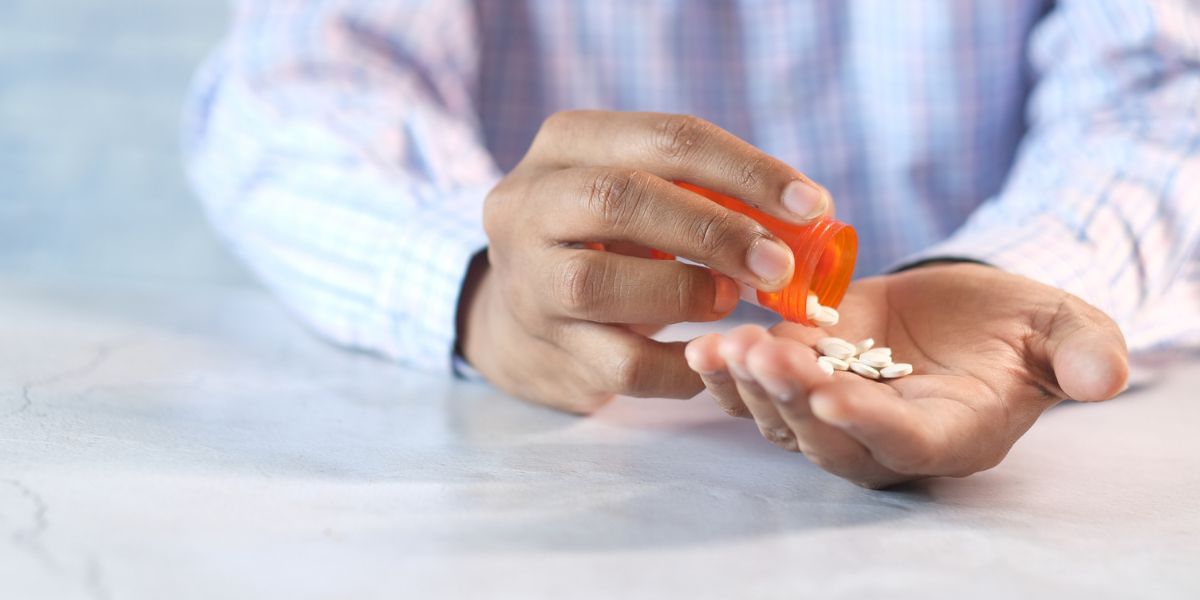
Dependence is when your body relies on substances, and you experience withdrawal symptoms when you stop taking them. Taking medication for a long period of time can lead to tolerance. This means the usual dose no longer works, so the patient needs a higher dose to achieve the same result.
Numerous medications, including antidepressants, can lead to medical dependence without addiction. Over time, more antidepressants may be necessary to work, and stopping them can cause withdrawal symptoms. Opioids and certain prescription drugs can create dependence quickly, and addiction may develop if usage is not carefully managed. Doctors often monitor patients closely to prevent misuse while managing chronic pain effectively.
A study reassessed 520 veterans, all initially labeled as opioid addicts, using the DSM-5’s updated diagnostic criteria. It revealed that only about half exhibited signs of an opioid use disorder. Meanwhile, a fifth displayed no substance abuse problems and were using opioids appropriately for chronic pain management. The original diagnosing doctors had confused their physical dependence and tolerance with addiction.
Sometimes, people don’t give enough pain medication to those who need it. This can cause unnecessary pain. The reason for this is that they mix up dependence and addiction. Drugs and alcohol can be addictive, especially if used illegally or to deal with issues.
The Difference Between Drug Dependence and Addiction
Understanding the difference between dependence vs. addiction is essential for accurate diagnosis and effective treatment.
- Dependence involves physical reliance, tolerance, and withdrawal symptoms.
- Addiction includes psychological, behavioral, and physical signs, often alongside dependence.
Scientific research has improved our understanding of how drugs alter the brain and body. This knowledge helps explain why some individuals become dependent or addicted and why treatment must be tailored to the specific substance and the individual’s needs.
Treating dependence primarily addresses physical withdrawal and restoring chemical balance safely. Addiction treatment is comprehensive, addressing behavioral, psychological, and physical factors.

Substance Use Disorder Treatment
Getting help for drug or alcohol addiction is important. Caring and evidence-based treatment programs like White Oak Recovery Center can help you or your loved one.
At White Oak Recovery Center, our therapists and medical staff establish an empowering and judge-free environment where they work with residents to create personalized treatment plans for substance misuse.
We offer inpatient medical detox services at our residential treatment facility to help you safely and comfortably address physical dependence. We aim to provide a supportive and comforting environment with support groups that help your mind and body.
WORC bases treatment on evidence and scientific research to tailor treatment plans to your unique needs and help you recover long-term. We will teach you skills you can use for the rest of your life. Contact us now to speak with one of our compassionate treatment specialists.
Reducing Stigma and Supporting Recovery
Stigma remains a major barrier to seeking help. Misunderstandings about addiction and dependence can prevent individuals from accessing the care they need.
Education, open dialogue, and community support are key to reducing stigma. Recognizing addiction and dependence as medical conditions rather than moral failings empowers individuals and families to pursue recovery without shame. Contact our admissions team today if you or a loved one is struggling with addiction.

Medical Disclaimer: