
Triple C Abuse



When Cold Medicine Becomes a Dangerous Escape
It might start in a medicine cabinet, not a back alley. Triple C, the over-the-counter cough suppressant found in Coricidin HBP Cough & Cold, has quietly become one of the most misused drugs among teens and young adults. What seems like harmless cold relief can spiral into hallucinations, heart problems, and addiction.
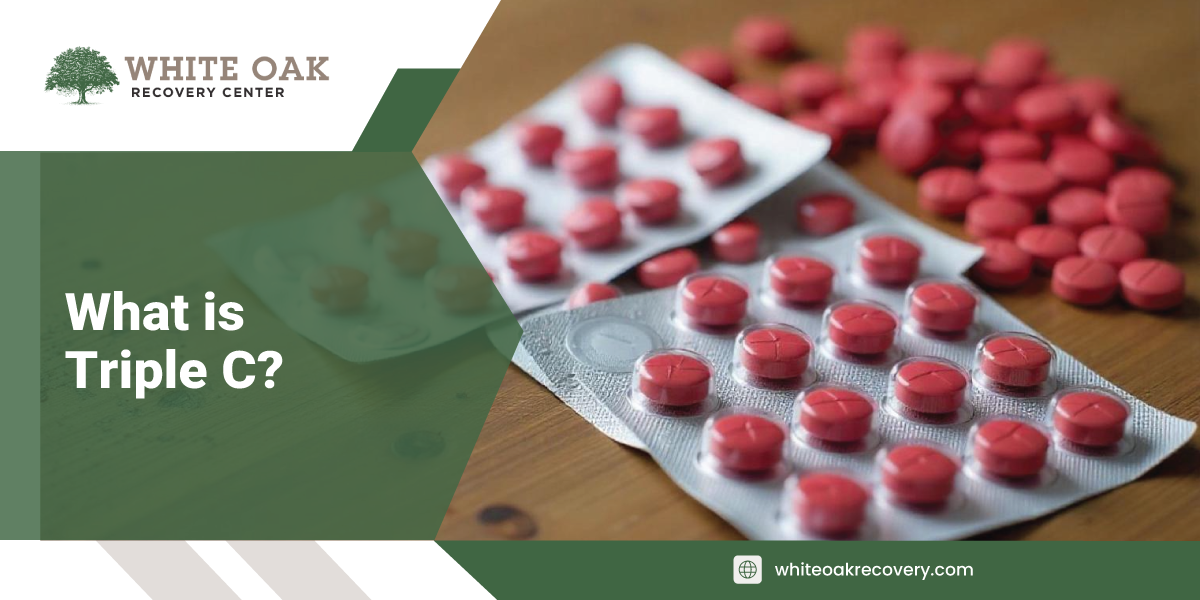
Triple C, commonly known as Coricidin HBP Cough & Cold, is an over-the-counter medication that alleviates coughs and colds. Its active ingredient, dextromethorphan (DXM), is a widely used cough suppressant that is generally safe when taken in recommended doses. However, triple C has become famous for misuse because of the hallucinogenic effects of DXM when taken in higher doses, leading to dangerous consequences for users.
As more people underestimate its potency, the growing trend of Triple C addiction has raised alarms among healthcare professionals. What’s sold as simple cough medicine has turned into an easily accessible hallucinogen. It can alter perception, impair judgment, and lead to devastating long-term health risks.
In recent years, the abuse of triple C has been on the rise, particularly among young adults who seek its euphoric and dissociative effects. This over-the-counter medication is widely available, making it an easily accessible option for substance misuse. Although it may seem harmless because it is easy to get, abusing triple C can lead to serious health risks.
What Is Triple C?
Triple C is an abbreviation for Coricidin HBP Cough & Cold, an over-the-counter medication designed for people with high blood pressure. Its active ingredient, dextromethorphan (DXM), is responsible for its cough-suppressing properties. However, when taken in large doses, triple C can cause dangerous and potentially deadly side effects. The drug is commonly abused for its dissociative and hallucinogenic effects, especially among young adults who seek the euphoric high that it provides.
While the medication is effective for treating coughs and congestion, it has gained a reputation for misuse. Triple C abuse means taking the medicine in much larger doses than recommended. This can lead to serious physical and mental problems for users.
When consumed recreationally, DXM acts similarly to PCP or ketamine, creating intense sensory distortions and out-of-body experiences. These effects are what make Triple C abuse so appealing and so dangerous.

Copyright: The Drug Users Bible
Credit: Dominic Milton Trott
CC BY 2.0
Is Triple C Dangerous?
DXM, the primary active ingredient in triple C, is relatively safe when used as directed for cough suppression. However, large amounts of DXM can have severe dissociative effects, including visual and auditory distortions, hallucinations, and out-of-body experiences. At high doses, it acts similarly to psychedelic drugs, which can lead to a detachment from reality.
High doses of DXM can affect various bodily systems, including the central nervous system and cardiovascular system. For example, abusers may have a faster heart rate, higher blood pressure, and severe confusion.
Also, DXM affects how the brain works. This can cause long-term mental health issues and problems with thinking skills.
Over time, the body builds a tolerance, driving users to consume even larger quantities. This cycle of misuse can lead to physical dependence, a core feature of Triple C addiction, and can increase the likelihood of overdose or lasting cognitive damage.
The Popularity and Risks of DXM Abuse
One reason for the growing popularity of DXM abuse is its legal status and easy access. Unlike illicit drugs, DXM-containing medications like triple C can be purchased without a prescription. This accessibility, coupled with the drug’s ability to induce hallucinations and dissociative effects, has led to a significant increase in its abuse, particularly among teenagers and young adults. Unfortunately, many people who abuse Coricidin HBP are unaware of the serious health risks involved.
What may begin as experimental use often escalates into a pattern of misuse. High doses of DXM not only impact the brain but can also cause lasting damage to other vital organs, including the liver and heart.
Social media has also fueled the rise in DXM misuse, with online forums and viral challenges glamorizing Triple C trips. The normalization of misuse online hides the grim reality: cognitive decline, panic attacks, and organ failure are just a few of the potential consequences.
Short-Term Side Effects of DXM Misuse
When taken in higher doses, triple C can cause a range of physical and mental effects. These effects can often mimic the symptoms of more serious drug use, which is why early detection of abuse is crucial. Common short-term effects include confusion, elevated heart rate, and dizziness.
Here are some of the most common short-term side effects of triple C abuse:
- Nausea
- Blurred vision
- Elevated heart rate
- High blood pressure
- Drowsiness
- Confusion
- Feeling lightheaded
The side effects of abusing triple C vary depending on the dosage and frequency of use. Both short-term and long-term side effects are common among those who abuse this medication, and the risks increase as the dosage increases.
These symptoms may seem mild, but ongoing abuse can cause serious health issues. This is especially true when mixed with alcohol or drugs. Triple C also contains acetaminophen, which can cause liver damage in high doses.
Long-Term Side Effects and Health Risks
Long-term misuse of DXM leads to more significant health problems that may become permanent. In addition to its effects on mental health, long-term abuse can damage key organs like the liver and brain. Chronic use of DXM may also lead to addiction, as people become dependent on the drug to function in their daily lives.
Below are the most common long-term side effects:
- Memory loss
- Mental health disorders
- Brain damage
- Liver damage
- Addiction
In severe cases, users may experience psychosis, which is a break from reality that can last long after the drug has left their system. The mental fog and cognitive decline linked to Triple C addiction can mirror symptoms of other psychiatric disorders, making recovery more complex.
How Triple C Addiction Develops
Triple C addiction often begins with curiosity. A person might start experimenting after hearing about the high it can cause, believing it’s safer than street drugs because it’s sold in pharmacies. Over time, tolerance builds, leading users to take increasingly larger amounts to chase the same effects.
The brain’s reward system plays a crucial role in this process. DXM increases dopamine levels, reinforcing the behavior and making users crave the dissociative sensation again and again. This pattern quickly transforms recreational use into dependence, where the person feels unable to function normally without the drug.
Psychological factors like anxiety, trauma, or depression can also drive repeated misuse, creating a dangerous feedback loop between mental distress and substance use.
Recognizing and Preventing DXM Misuse in Teens
Because Triple C is available without a prescription, parents and guardians often overlook its potential for harm. Warning signs of misuse can include empty cold medicine boxes, secretive behavior, or sudden changes in mood and coordination.
Education plays a powerful role in prevention. Talking openly about the risks of Triple C addiction, including the possibility of hallucinations, liver damage, and overdose, can help demystify the drug and reduce curiosity-driven misuse. Schools, pediatricians, and addiction centers are increasingly working together to raise awareness about DXM abuse and its impact on developing brains.
Can You Overdose on Triple C?
Yes, it is possible to overdose on triple C, especially when it is consumed in large doses or in combination with other drugs. Triple C overdose occurs when the body cannot metabolize the excessive amounts of DXM and acetaminophen, which are both toxic in high quantities. An overdose can result in severe, life-threatening conditions, and in some cases, it may lead to death.
The risk of overdose increases if triple C is used in combination with other drugs or alcohol, which can further depress the respiratory system. In cases of overdose, the most critical step is to seek medical attention immediately to prevent further damage to the heart, brain, or liver.
Common Symptoms of a Triple C Overdose
An overdose of Coricidin HBP Cold & Cough often presents the following symptoms:
- Rapid heartbeat
- Elevated blood pressure
- Confusion or disorientation
- Hallucinations
- Severe drowsiness
- Difficulty breathing
- Seizures
If these symptoms appear after someone has consumed high doses of DXM, immediate medical attention is required to prevent irreversible damage or death.

Dextromethorphan Addiction Treatment at White Oak Recovery Center
If you or a loved one is struggling with triple C addiction, White Oak Recovery Center (WORC) provides specialized addiction treatment programs designed to help people overcome DXM abuse. Our team of compassionate professionals is dedicated to collaborating with you to personalize your treatment plan to make sure it addresses your specific needs.
At WORC, we understand that treating DXM addiction requires an intensive approach. Our medical detox program allows you to withdraw safely under medical supervision, minimizing uncomfortable withdrawal symptoms.
WORC provides individual therapy and support groups that provide emotional support and shared experiences, fostering a sense of community among those in recovery.
To help prevent relapse, we equip patients with relapse prevention strategies, ensuring they have the tools, techniques, and support necessary to maintain a drug-free life after completing treatment.
Our program emphasizes the importance of treating not only the addiction but also the accompanying mental health disorders that often arise from substance abuse. By offering a multidisciplinary approach and dual diagnosis treatment, we help people regain control of their lives by treating every aspect of their addiction, allowing them to heal and flourish in a new life.
Contact the WORC admissions team today. A meaningful path to recovery awaits you.


Medical Disclaimer: