
What You Should Know Before Mixing Kratom and Medications

Kratom is often marketed as a natural shortcut to relief. But when mixed with prescription medications, the word natural on the label can become dangerously misleading. As conversations around alternative pain relief and opioid use grow louder, kratom continues to sit in a gray area. Understanding kratom and prescription drug interactions is especially important for people managing addiction, mental health conditions, or recovery.
The discussion regarding the classification of kratom remains extensive and controversial. Historically utilized for its medicinal properties, kratom has been a remedy for various ailments, notably easing opioid addiction symptoms and opioid withdrawal, along with mitigating dependency.
In rural areas of Thailand and Malaysia, kratom is used to help with pain, create feelings of happiness, and fight tiredness. However, acknowledging its addiction potential, both nations have imposed a ban on its recreational consumption.
The American Kratom Association reports an estimated 3 to 5 million users of kratom within the United States. Healthcare providers are under pressure to reduce opioid prescriptions. People struggling with addiction often use kratom instead, as it is a cheaper alternative to opioids. However, the US Food and Drug Administration, or the FDA, has alerted the public to the dangers of combining kratom with other substances, noting that such interactions can lead to severe liver damage and even death.
What Is Kratom Used For?
In the US, Kratom is sold as a natural supplement. People use it to help with various health issues and to create a legal and natural feeling of happiness. However, regulatory authorities have not yet defined its status as a dietary supplement.
The FDA does not recognize kratom as an approved dietary supplement, and the DEA does not consider it a distinct substance. Instead, federal agencies point to kratom’s active compounds, mitragynine and 7-hydroxy mitragynine, which they believe act like opioids and should be classified as such. Because of this, the FDA strongly warns against using kratom as a medical treatment or as a substitute for prescription opioids, noting there is no reliable scientific evidence proving it is safe or effective.
Health officials have also raised concerns about kratom’s potential for misuse and dependence. From 2011 to 2017, US Poison Control Centers recorded more than 1,100 kratom-related cases, with symptoms ranging from vomiting and confusion to seizures and cardiac arrest. Most kratom-related deaths involved other substances, highlighting the real danger of mixing kratom with medications or drugs. While kratom remains legal in much of the US, it has not undergone proper clinical testing, and no accepted medical uses have been approved by federal agencies.
What Is Kratom?
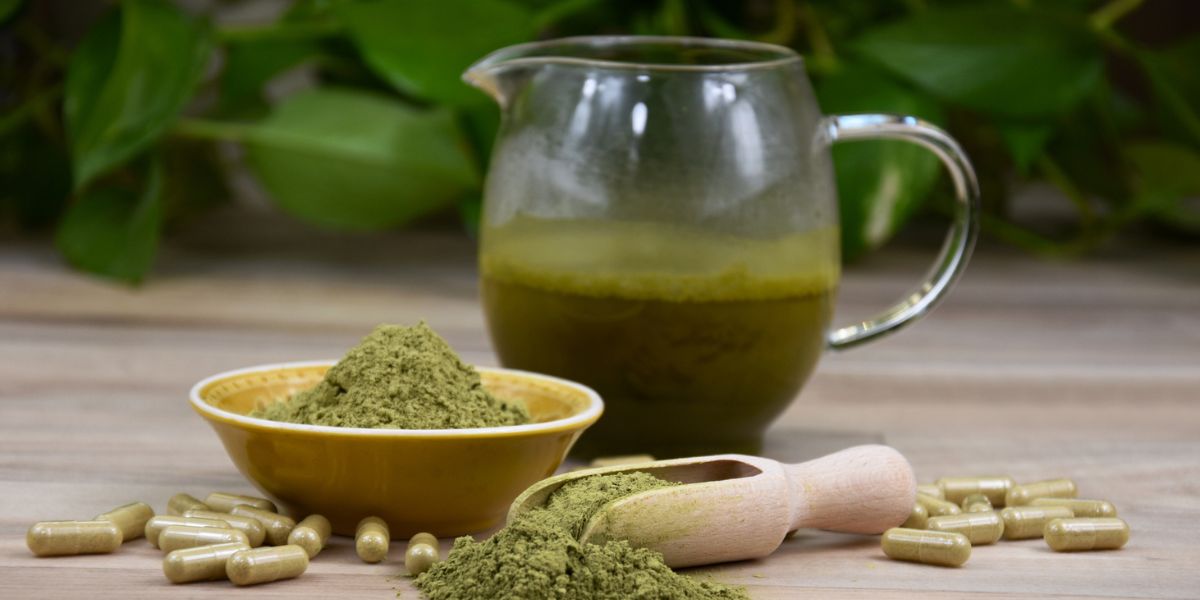
Kratom, or Mitragyna speciosa, is a tree native to Southeast Asia. It mainly grows in Indonesia, Malaysia, and Thailand. People use it for fun and as medicine. Farmers dry kratom leaves before transforming them into products such as powders, capsules, tablets, and extracts.

Forms
You can get kratom products from the internet, herbal stores, and places where they sell tobacco or smoking items, often called head shops. In the US, people usually use kratom as a liquid. They are increasingly using it as a powder mixed with food and drinks or in capsules.
Kratom can also be consumed by brewing it similarly to tea or coffee, where the leaf or powder is steeped in hot or cold water. This brew is typically bitter, leading many to add different sweeteners to improve the taste.
Uses
Kratom is favored for its perceived lesser harm compared to other opioids and is utilized for a broad spectrum of health-related purposes, such as:
- Boosting energy and alertness
- Improving mood in cases of depression
- Decreasing anxiety levels
- Minimizing or ceasing the use of pain medications
- Alleviating symptoms of post-traumatic stress disorder (PTSD)
- Enhancing overall mood
- Pain relief
Kratom is also employed as a pain reliever because it seems to block pain signals through multiple mechanisms. It disrupts the neurons responsible for pain transmission in specific brain pathways, numbing these pain channels.
Yet, the DEA, CDC, and FDA do not acknowledge any legitimate medical applications for kratom. Reports from the CDC have documented instances where kratom interactions with other drugs have led to fatal outcomes.
How Kratom and Prescription Drug Interactions Increase Health Risks
One of the most serious concerns surrounding kratom is how it interacts with prescription medications. Kratom and prescription drug interactions can significantly increase the risk of overdose, organ damage, and other serious complications. Kratom affects liver enzymes responsible for metabolizing drugs, meaning it can intensify or prolong the effects of medications such as antidepressants, benzodiazepines, opioids, and antipsychotics.
Specifically, kratom may interfere with cytochrome P450 enzymes, which play a critical role in how the body processes many commonly prescribed medications. When these enzymes are inhibited or overstimulated, medications can build up in the bloodstream or fail to work as intended.
When these interactions occur, drug levels in the body can rise unpredictably, increasing the risk of respiratory depression, overdose, liver toxicity, and cardiac complications. For individuals managing mental health conditions or substance use disorders, these risks are especially heightened.
Mixing kratom with medications that cause sedation, such as sleep aids, anxiety medications, or opioid pain relievers, can dangerously suppress breathing and heart rate. In other cases, combining kratom with antidepressants or stimulants may increase agitation, confusion, or the risk of seizures.
Because kratom products are unregulated and vary widely in potency, even small changes in dosage can have serious consequences when combined with prescription drugs. This unpredictability makes kratom particularly dangerous for people taking multiple medications or those with underlying medical or psychiatric conditions.
Kratom Side Effects
Kratom’s effects can mimic those of stimulants and opioids because of its interaction with the brain’s opioid receptors. At moderate doses, it generates feelings of pleasure and reduces pain, while smaller doses create a stimulant effect, enhancing sociability and energy levels.
When taken in amounts of 5 grams or less, kratom typically has mild side effects. However, at higher doses, starting from 8 grams upwards, the adverse effects include:
- Confusion
- Constipation
- Dizziness
- Drowsiness
- Itching
- Sweating
- Dry mouth
- Reduced appetite
- Seizures
- Hallucinations
Kratom Dangers
The significant risk of using kratom comes from not knowing much about the chemicals in its leaves and how they could mix with medicines, other drugs, and herbal treatments.
Additionally, kratom product labeling should alert consumers to the unregulated production standards and the importance of ensuring the products are free from contamination.
In 2018, kratom was linked to a widespread Salmonella outbreak affecting multiple states. The FDA’s investigations connected Salmonella cases to three kratom brands, and of the 16 products tested, six of the manufacturers remained unknown.
Moreover, there are critically hazardous risks when kratom is combined with certain antipsychotics, particularly quetiapine. The death of a 27-year-old man with a mental health history due to co-ingesting kratom with quetiapine underscores the urgent need for additional research into the drug interactions involving kratom.

Mental Health Risks of Kratom Use
For individuals with anxiety, depression, PTSD, or other mental health conditions, kratom can worsen symptoms rather than relieve them. While some users report short-term mood elevation, prolonged use has been linked to increased anxiety, mood swings, irritability, and depressive episodes.
Kratom’s opioid-like effects can temporarily blunt emotional distress, which may feel helpful at first. However, this emotional numbing often gives way to rebound anxiety, low mood, and increased emotional instability as the substance wears off. Over time, this cycle can reinforce dependence and make mental health symptoms more difficult to manage.
When combined with psychiatric medications, kratom may destabilize treatment progress and complicate recovery efforts, making professional guidance essential. Changes in medication effectiveness, unexpected side effects, or worsening mental health symptoms can occur without warning.
For individuals already vulnerable to substance use disorders, kratom may act as a gateway to renewed addictive behaviors. What begins as an attempt to self-manage mental health symptoms can gradually evolve into compulsive use, tolerance, and withdrawal, undermining both mental health stability and long-term recovery.
Kratom Withdrawal
Kratom is purported to alleviate withdrawal symptoms from conventional opioids. Yet, akin to all substances with opioid-like properties, it can lead to dependence, culminating in withdrawal symptoms upon cessation. These symptoms can consist of:
- Diarrhea
- Fever and chills
- Aggressiveness
- Hostility
- Muscle pains
- Decreased appetite
- Irritability
- Watery eyes and a runny nose
- Involuntary jerking motions
- Mood swings
Kratom Addiction Treatment in Southern California
In most states, kratom is legal, but using it often and in large amounts can lead to tolerance, dependence, and addiction. If you or someone you care for is battling substance abuse, White Oak Recovery Center can provide compassionate treatment and care.
Kratom addiction can be complex, especially when it co-occurs with mental health conditions or a history of opioid or prescription drug use. Treatment often requires a comprehensive approach that addresses both the physical dependence and the underlying emotional or psychological factors driving use.
We provide medically supervised detoxification and a comprehensive residential treatment program for drug and alcohol rehab. White Oak Recovery Center can be your perfect refuge to attain serenity from addiction.
Our team understands that kratom withdrawal can be uncomfortable and, in some cases, overwhelming. Medically supervised detox helps manage withdrawal symptoms safely while providing emotional support and clinical oversight during the earliest stages of recovery.
Beyond detox, our integrated treatment programs focus on healing the whole person. Through evidence-based therapies, mental health support, and individualized treatment planning, clients are empowered to build healthier coping strategies and regain control over their lives.
Reach out to our admissions team today. We can help. Take the first step toward your recovery now.


Medical Disclaimer: