
What Is a K-Hole? Understanding Ketamine’s Dissociative Effects




Ever wonder what it feels like to float out of your body without leaving your chair? That’s what a K-hole can feel like, and it’s not as fun as it sounds. Ketamine is a dissociative drug similar to phencyclidine (PCP). Its short-term euphoric and dissociative effects have made it a popular recreational drug, often referred to on the streets as “K” or “special K.”
Small doses of ketamine make you feel detached from reality with feelings of happiness. Users call this state “k-land.” But take a larger dose, and you might end up in a K-hole. This is a mind-altering, immobilizing dissociative state that can be frightening and unpredictable.
What Does a K-Hole Feel Like?
A k-hole is a dissociative state in which you feel disconnected from both mind and body, making movement difficult. You may experience sensations of floating, vivid dreams, severe disorientation, and delirium. Some users describe it as a near-death experience or an out-of-body journey, while others feel completely immobilized and detached from their surroundings.
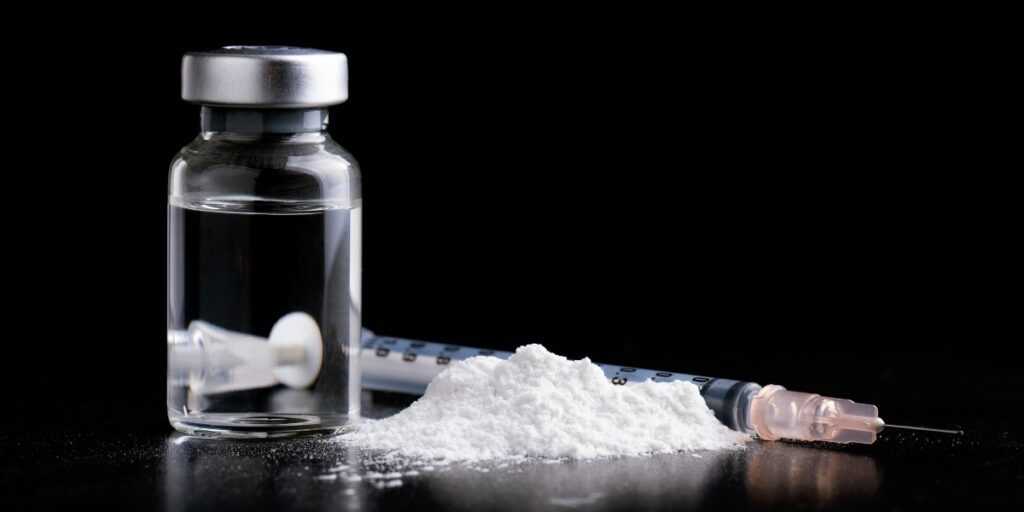
Falling Into a K-Hole
Falling into a k-hole is a side effect of taking too much ketamine. You enter a deep state of detachment from reality, become immobilized, and remain disconnected until the effects wear off.
Ketamine abuse effects include symptoms of psychosis, agitation, and paranoia. Because ketamine is often mixed with alcohol or stimulants like cocaine, these combined effects can make the experience even more unpredictable and dangerous.
Risks of Combining Ketamine With Other Substances
Mixing ketamine with other drugs significantly increases health risks. Alcohol, opioids, or stimulants can amplify dissociation, depress breathing, and strain the heart. These combinations can lead to severe outcomes, including overdose or sudden loss of consciousness.
Even casual recreational use becomes riskier when ketamine isn’t taken in isolation. Users may underestimate their tolerance or the effects of other substances, leading to unpredictable reactions.
How Long Does a K-Hole Last?
The physical effects of a k-hole can last from 10 to 90 minutes. Duration depends on the method of use. Injecting, snorting, or smoking can all affect how quickly ketamine hits the system and how long it lingers.
Overdose of Ketamine
Ketamine overdoses are uncommon, but when they do occur, the symptoms are similar to a PCP overdose, although the side effects of ketamine resolve quicker. Ketamine overdose signs depend on the dose and can be spotted if the user experiences a loss of consciousness.
Symptoms most unique to a ketamine overdose include:
- Respiratory depression, a breathing disorder characterized by slow and shallow breaths
- Low blood pressure
- Slow heart rate
- Heart attacks
- Seizures
- Coma
Ketamine use can be particularly dangerous for individuals with cardiovascular conditions. The drug stimulates the nervous system, increasing heart rate and blood pressure, which may elevate stroke risk.
The medical approach to treating ketamine overdoses becomes more complicated when users mix substances, but the risk of death remains significant.

Ketamine Abuse Treatment
Acute and chronic ketamine misuse can cause long-term effects, including depression, memory loss, cognitive issues, abdominal pain (“k-cramps”), and urinary tract dysfunction. Withdrawal symptoms are common, with the National Institutes of Health (NIH) reporting fatigue, hostility, and irritability in 53% of users.
At White Oak Recovery Center, we provide medical detox or medically assisted detox to guide patients safely through ketamine withdrawal, with round-the-clock medical care and compassionate support.
AT WORC, our evidence-based residential inpatient addiction treatment center provides customized, comprehensive plans tailored to your needs, goals, and circumstances.
White Oak Recovery Center’s therapies include dual diagnosis treatment, cognitive behavioral therapy (CBT), dialectical behavior therapy (DBT), EMDR, 12-step facilitation, motivational enhancement, relapse prevention therapy, and recreational therapies. Residents also have access to psychiatric care if needed.
Recovery is possible, and a meaningful life free from substance misuse awaits. Reach out to our caring specialists today to take the first step.


Medical Disclaimer: