The Truth About Genetics and Recovery

If recovery were purely about willpower, self-help books would have cured addiction decades ago. Yet anyone who’s tried to just stop knows it’s rarely that simple. Some people quit quickly, others struggle for years, and a few feel like they’re fighting their own brain chemistry every single day. All of this raises a fair question. What role do genetics play in recovery?
At White Oak Recovery Center, we hear this concern often, sometimes whispered with guilt, sometimes asked bluntly. “Is something wrong with me?” The short answer is no. However, biology can absolutely influence the path to healing. Understanding that can replace shame with strategy, and frustration with realistic hope.
The Basics on Genetics and Addiction Recovery
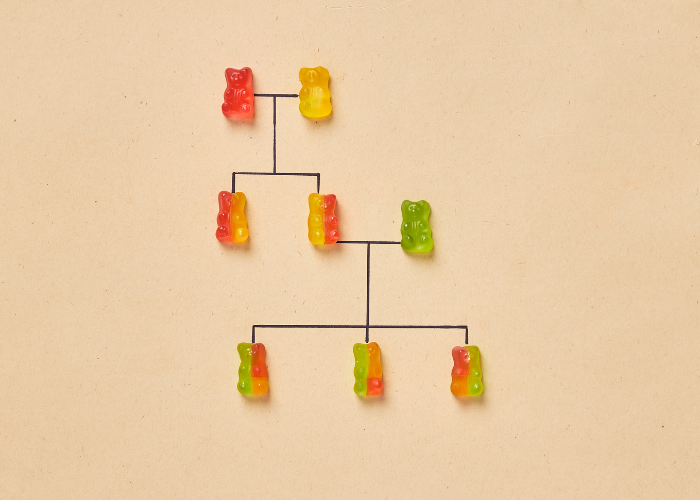
Addiction doesn’t start from a single cause. It’s a mix of environment, experiences, mental health, coping skills, and, yes, biology. Research consistently shows that addiction has a hereditary component. In other words, some people are born with brains that react differently to substances.
This is where genetic factors in addiction recovery come into play. Certain genes influence:
- How strongly someone feels reward or pleasure
- How quickly tolerance develops
- How severe withdrawal becomes
- How cravings behave under stress
When people ask, “What role do genetics play in recovery?” they’re really asking why equal effort doesn’t always equal the same results. Two individuals can follow identical recovery plans and experience totally different cravings, moods, or relapse risk, not because one cares less, but because their brain chemistry operates differently.
That doesn’t make recovery impossible. It simply means recovery isn’t one-size-fits-all.
Mental Health Genetics and Dual Diagnosis
Addiction rarely exists alone. Depression, anxiety, trauma disorders, and mood instability frequently travel alongside substance use, and many of these conditions also have hereditary components.
Mental health genetics help explain why some people use substances primarily for relief rather than recreation. For example, someone genetically predisposed to depression may experience stronger emotional pain, making substances feel like necessary survival tools instead of optional escapes.
This connection is why dual diagnosis treatment matters. Addressing addiction without treating underlying mental health concerns is like fixing a leak while ignoring the storm outside. Recovery becomes exhausting because the original emotional pressure never stops.
At White Oak Recovery Center, integrated therapies work on both sides of the equation. Treating depression, anxiety, and trauma alongside substance use reduces relapse risk. This is not because patients suddenly gain discipline, but because the brain finally has fewer reasons to self-medicate.
Does DNA Affect Sobriety Success?
When people ask, “Does DNA affect sobriety success?” they’re often noticing patterns in families. Maybe a parent struggled with alcohol. Maybe siblings reacted differently to medications. These observations aren’t imagined.
Recovery outcomes and genetics intersect in several ways:
- Some people experience stronger reward signals from substances.
- Others feel harsher withdrawal symptoms.
- Some brains calm quickly after detox, while others stay overstimulated for months.
This helps explain why some people relapse more often, even when they’re motivated. It isn’t always about commitment. Sometimes the brain’s reward system takes longer to stabilize.
That’s also why residential treatment can be crucial. A longer, structured environment gives the brain time to recalibrate. Recovery isn’t just behavioral. It’s also neurological healing.
So, again, what role do genetics play in recovery? Often, they determine how much support and the amount of time the brain needs to reach equilibrium.
Can Genetics Affect Treatment Response?
Yes, generics can affect treatment response, and this is one of the most hopeful parts of modern recovery science.
Different people respond differently to medications and therapeutic approaches. What stabilizes one person might barely touch another’s cravings. When we ask whether genetics can affect treatment response, we’re acknowledging that treatment matching matters.
Signs Biology May Influence Treatment Needs
- Medications feel unusually strong or unusually ineffective
- Withdrawal symptoms last far longer than expected
- Mood swings persist after detox
- Cravings spike under minor stress
- Multiple relapses happen despite consistent effort
These experiences don’t mean treatment failed. They mean treatment needs adjusting. Tailoring therapy intensity, medication, and coping strategies improves outcomes dramatically because recovery aligns with the person instead of only the average patient.
Can Recovery Be Harder Due to Genetics?
When people ask, “Can recovery be harder due to genetics?” they’re often comparing themselves to someone who seems to quit effortlessly.
This means that, sometimes, yes, recovery can be harder due to genetics. But harder does not mean hopeless. The difference may lie in dopamine regulation, impulse control pathways, or stress response systems.
Certain inherited traits can make recovery more challenging:
- Stronger stress reactions
- Slower emotional regulation
- Greater sensitivity to reward cues
- Higher baseline anxiety
These traits don’t prevent healing. They just require a different pace and structure. More support, longer stabilization periods, and targeted therapies often lead to sustainable sobriety.
Understanding genetics and addiction recovery reframes relapse. Instead of moral failure, it becomes clinical information. Each setback helps refine treatment rather than define identity.
Recovery Is Still a Choice, Though Not a Simple One
Biology loads the gun, but environment and behavior pull the trigger. Genetics may influence cravings, mood, and treatment response, but they don’t eliminate agency. They simply shape the terrain someone must travel.
At White Oak Recovery Center, individualized care recognizes that recovery isn’t a contest of toughness. Through residential treatment, mental health support, and customized care plans, people learn how their brain works and how to work with it instead of against it.
If you’ve ever wondered whether your struggles mean you’re broken, the answer is no. You may just have a nervous system that needs different tools, different pacing, and different support.
Our admissions team helps individuals understand their options without judgment. Because recovery shouldn’t start with blame. It should start with understanding.
Because Biology Isn’t Destiny, Visit White Oak Recovery Center
Genetics can influence vulnerability, cravings, and relapse risk, and they can complicate healing. But they can also guide smarter treatment. Knowing your brain’s tendencies allows therapy to become targeted rather than trial-and-error.
The next time the question comes up, “What role do genetics play in recovery?” remember this. Genes may shape the starting point, but they don’t write the ending.
Recovery isn’t about having the easiest brain to heal. It’s about having the right support to heal the brain you have.

Am I covered for addiction treatment?
Your insurance may cover treatment. Call now for an entirely free and confidential assessment. Recovery starts with a phone call.
- Banerjee, Niladri, “Neurotransmitters in Alcoholism: A Review of Neurobiological and Genetic Studies.” Indian Journal of Human Genetics, Mar. 2014.
- Gorka, Stephanie M. and Phan, Luan K., “Impact of Anxiety Symptoms and Problematic Alcohol Use on Error-related Brain Activity.” Int J Psychophsyciol., Jun. 2017.
- McHugh, Kathryn R. and Weiss, Roger D., “Alcohol Use Disorder and Depressive Disorders.” Alcohol Research, Oct. 2019.
- Akhouri, Shweta, et al., “Wernicke-Korsakoff Syndrome.” StatPearls, Jun. 2023.
Medical Disclaimer: