
Dissociative Drugs: Types, Effects, and What You Should Know


Ever felt like reality was a little… wobbly? That’s the world of dissociative drugs, where your senses, perception, and even sense of self can take a detour. Such as PCP and ketamine, dissociative drugs, which significantly affect human perception and consciousness, are an intricate and frequently misunderstood category of drug use.
These compounds can change how you see reality. They can make you feel disconnected from yourself, time, and your surroundings. You may also experience hallucinations and changes in your senses. Many people worldwide struggle with addiction to substances that alter their minds or help them cope with mental health problems. These drugs can be extremely dangerous and harmful.
What Are Dissociative Drugs?
Dissociative drugs are substances that predominantly make you feel detached, alter the perception of reality, provoke hallucinations, or simulate experiences similar to those near death.
This category includes both illicit substances and those that are legally recognized, albeit with specific medical endorsements. Some people seeking a recreational high are misusing FDA-approved medications. Misusing these medications can lead to severe physical and psychological consequences, especially when taken in high doses.
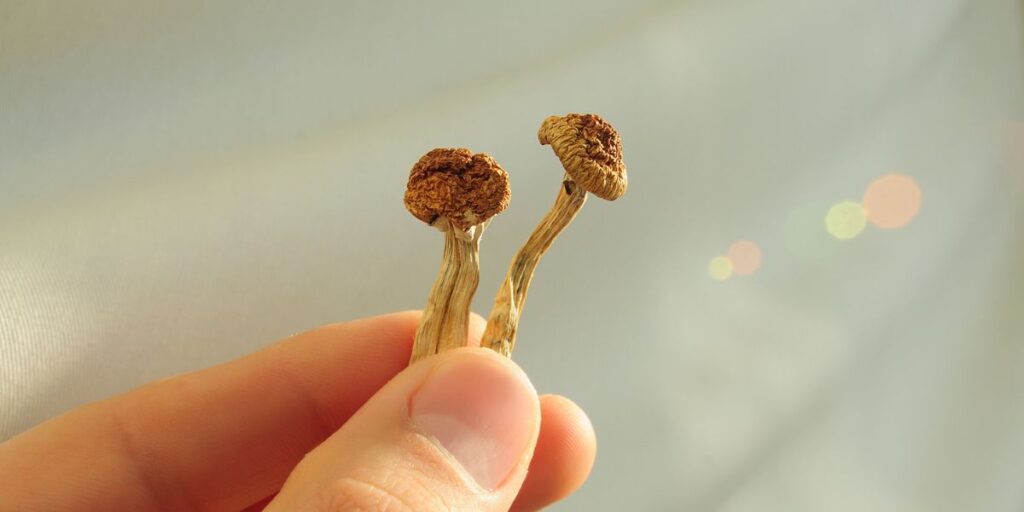
Dissociative drugs, such as magic mushrooms and salvia, come from nature and have been used for centuries. Their effects vary, but they all have different origins. On the other hand, compounds like phencyclidine (PCP), ketamine, and dextromethorphan (DXM) represent modern innovations crafted within the confines of scientific laboratories.
Dissociative Drugs Effects
The impact of dissociative drugs is contingent on the specific substance and the person using it. People take these drugs for their mind-altering effects, but they can also cause long-term health problems.
These substances impact the brain and body. They cause psychological effects and control important bodily functions, including pain relief and anesthesia.
Like all substances, ingesting high quantities of dissociative substances results in more intense, prolonged experiences. Mixing dissociative drugs with alcohol or other substances can drastically increase the risk of dangerous interactions, accidents, and long-term damage.
Short-Term Effects
Most effects span from thirty minutes to several hours. Yet, people who use dissociative drugs repeatedly or inadvertently activate concurrent conditions might endure more extended effects.
Typical short-term effects of dissociative drugs include:
- Aggressiveness
- Altered perception of time and space
- Anxiety
- Confusion
- Diminished sensitivity to pain
- Euphoric surge
- Hallucinatory experiences
- Headaches
- Heightened visual, auditory, or tactile awareness
- Increased physical strength
- Memory loss
- Nausea
- Numbness
- Paranoia
- Sensations of disconnection from oneself or the environment
- Variations in heart rate, body temperature, blood pressure, and respiration
Long-Term Effects
Numerous dissociative drugs are relatively new, resulting in largely unknown long-term consequences. Ongoing research shows that drugs like mushrooms, salvia, and PCP can have harmful effects on people in the long term.
Long-term side effects of dissociative drug use include:
- Aggressive or suicidal ideation
- Cognitive deterioration
- Coordination loss
- Depression
- Declining mental health
- Extended withdrawal syndrome
- Flashbacks
- Increased tolerance
- Intense cravings for drugs
- Memory impairment that interferes with daily life
- Increasing paranoia
- Speech impediments
- Withdrawal symptoms
Types of Dissociative Drugs
The National Institute on Drug Abuse (NIDA) classifies psychoactive substances primarily into the categories of either hallucinogens or dissociatives. Traditional hallucinogens are compounds that provoke perceptions of imaginary entities, exemplified by substances like mushrooms, salvia, and PCP.
Dissociative drugs such as ketamine, DXM, and nitrous oxide can make you feel like you are disconnected from your body. These drugs can also give you the sensation of having out-of-body experiences. Often, users interchangeably apply the terms for these two drug categories.
Here are the most widely used and well-known dissociative drugs, along with their effects:
Ketamine
Ketamine, also known as K or Special K, is approved by the FDA for use as a sedative. Both humans and animals can use it to receive medical treatment. Presently, its application in treating depression and post-traumatic stress disorder is under examination in constrained clinical trials.
Recreational use of ketamine can lead to episodes called k-holes, where users feel completely detached from reality, sometimes immobilized, and at risk for accidents or psychological distress. High doses of ketamine can make users feel like they are near death and completely disconnected from their senses.
PCP
Phencyclidine (PCP), or angel dust or rocket fuel, ranks among the most erratic substances. After human trials showed severe side effects, the medical use of this treatment was banned for humans. However, it is still used for animals.
PCP causes intense hallucinations, lack of pain response, increased strength, restlessness, violence, memory loss, and muscle spasms. Additionally, PCP triggers severe cravings and potent withdrawal symptoms, leading people to persistently seek it to prevent illness.
Nitrous Oxide
Nitrous oxide, also known as laughing gas or whippits, is used as an anesthetic in medical settings, like dentist offices. Recreational users often inhale it from whipped cream dispensers or small canisters known as chargers.
People term the act of inhaling nitrous oxide and similar substances for euphoria as huffing. The effects of nitrous oxide include lightheadedness, calmness, heightened amusement, vertigo, and altered perception of one’s environment.
DXM
Dextromethorphan (DXM) is a primary component in cough suppressants and prescription cough syrups, often called “triple Cs” or Coricidin Cough and Cold pills. At low dosages, DXM acts on the central nervous system to suppress coughing. The consumption of DXM in large amounts is known as robotripping.
People frequently mix DXM with alcohol and sodas to produce a mixture referred to as lean or purple drank. The impacts of DXM are akin to ketamine’s, manifesting as decreased reflexes, drowsiness, forgetfulness, and a skewed sense of time and space. Consuming enormous quantities of DXM can induce hallucinations.
Salvia
Salvia divinorum, also known as salvia or magic mint, is a plant from Central and South America. It is famous for causing dissociation and altered mental states. Various tribal and spiritual ceremonies use it, resulting in its varied legal status in the United States.
Salvia causes a disconnection from reality, heightens bodily perception, and creates visual and auditory distortions or hallucinations. High doses can produce terrifyingly vivid “out-of-body” sensations, making users feel almost lifeless or disoriented.
Psilocybin
Psilocybin, also recognized as magic mushrooms or shrooms, is native to parts of the Americas. This substance is traditionally used in various ceremonies and rituals. There are ongoing, limited clinical studies investigating the therapeutic benefits of micro-dosing psilocybin.
Psilocybin might change how you feel, think, and see or hear things that aren’t there.

Dissociative Drug Withdrawal Symptoms
Withdrawal symptoms can differ in strength and characteristics based on the specific dissociative drug taken. Drug effects can change based on how long and how much someone uses them, and also on their general health. Even those not physically addicted might encounter withdrawal symptoms.
Primarily, withdrawal manifests through psychological symptoms accompanied by minimal physical discomfort. However, heavy or long-term users of PCP, ketamine, or DXM may experience severe withdrawal symptoms that require professional care.
Typical withdrawal symptoms from dissociative drugs include:
- Anxiety
- Cravings for the drug
- Depression
- Disorientation
- Emotional instability
- Excessive sweating
- Headaches
- Impaired memory function
- Nausea
- Persistent unwanted thoughts
- Recurrent reliving of past experiences
- Slowed or diminished reflex actions
- Speech issues
- Thoughts of self-harm
Certain people may experience extended withdrawal, where withdrawal symptoms continue for months or more. Addressing both the mental and physical aspects of withdrawal is essential to avoid relapse and ensure recovery.
How Dissociative Drug Addiction Develops
Addiction to dissociative drugs often starts subtly. A person might use these substances occasionally for experimentation or to cope with stress, anxiety, or depression. Over time, the brain becomes accustomed to the altered state, creating cravings and tolerance. Psychological dependency can emerge even without physical addiction, making it difficult to stop without support.
Factors influencing addiction include:
- Frequency and dosage of use
- Co-occurring mental health conditions
- Environment and peer influence
- Accessibility of the drug
Signs of Misuse to Watch For
Recognizing dissociative drug misuse early can prevent long-term harm. Signs often include:
- Frequent blackouts or memory gaps
- Withdrawal from social activities and responsibilities
- Rapid mood swings or unexplained paranoia
- Physical changes like unusual coordination issues or fluctuating weight
- Repeated use despite negative consequences
Spotting these signs early and seeking professional help is critical to prevent severe health and psychological effects.
Inpatient Drug Rehab
Compassionate, evidence-backed care is accessible for those battling addiction to dissociative drugs. White Oak Recovery Center excels in crafting tailored treatment programs that cater to your comprehensive needs.
We want to find out why you are addicted and help you with personalized therapy in a team effort. WORC’s caring and dedicated team wants to help you develop healthy habits and skills to support your long-term recovery.
Starting your recovery journey is a brave first step. One phone call can change your life. Contact our admissions team today to begin.


Medical Disclaimer: