
The Truth About Designer Drugs



Behind the Glamour
The phrase designer drugs might sound like something out of a sci-fi movie or a high-end nightclub. However, beneath the trendy label lies a hidden danger that’s anything but glamorous. These synthetic substances, known as new psychoactive substances (NPS), are unpredictable, highly potent, and increasingly common among young adults seeking cheap thrills or legal loopholes.
While these lab-made chemicals promise excitement or relief, what they often deliver is chaos, including physical, mental, and legal consequences. Public health agencies continue to wrestle with their rapid evolution, while new forms of designer drugs emerge faster than laws can keep up.
Recognizing abuse and addiction tied to these substances can be difficult, especially since their symptoms often mimic stress, anxiety, or common mental health issues. That confusion can delay help and make recovery more complex.
Education, awareness, and early intervention can make a critical difference. Learning more about designer drugs not only protects individuals from the lure of “safe highs” but can also help loved ones spot the signs of substance use and encourage professional help.
Designer Drugs Definition
Designer drugs, also called new psychoactive substances (NPS), club drugs, or party drugs, are synthetic compounds designed to mimic the effects of well-known illicit substances such as cocaine, LSD, or marijuana. They’re often manufactured in unregulated, clandestine labs where chemistry meets chaos, not safety.
These drugs are engineered to produce intense highs while evading drug laws, making them a moving target for both users and law enforcement. While some may contain traces of natural ingredients, the vast majority are entirely synthetic, which increases their unpredictability.
Underground chemists continually tweak the formulas to stay one step ahead of regulation. This not only heightens their potency but also multiplies the risk of severe side effects. Unlike pharmaceutical labs, these makeshift operations have no quality control. They only have a dangerous trial-and-error approach.
Adding to the confusion, many designer drugs are cleverly disguised as everyday items, such as plant food, incense, or cleaning supplies, which are sold with “not for human consumption” labels on them to skirt legal scrutiny.
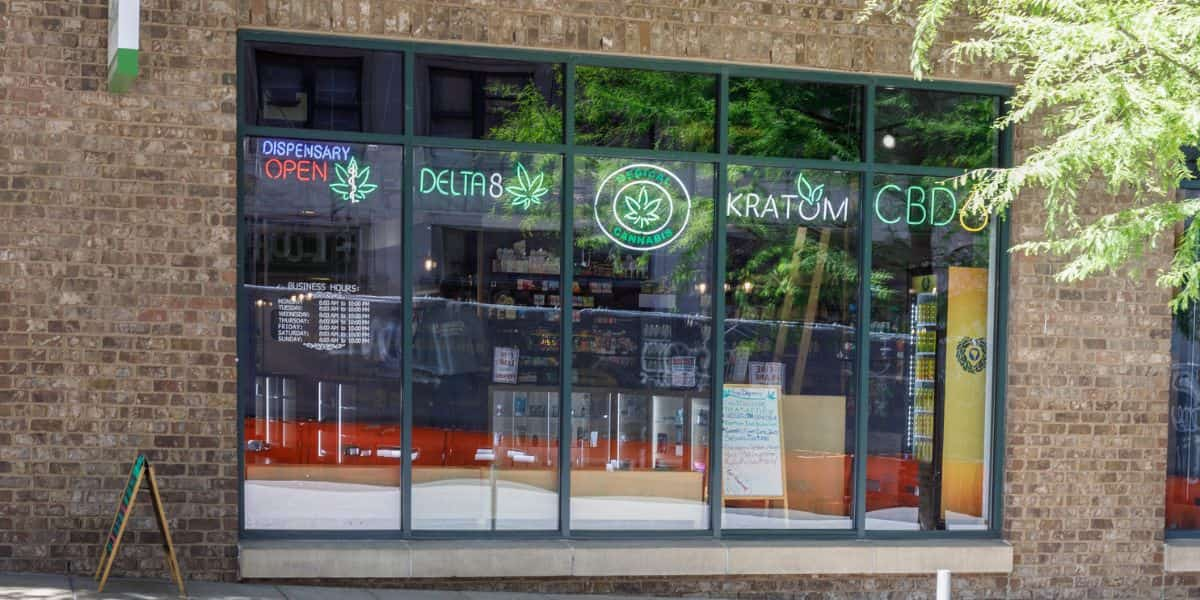
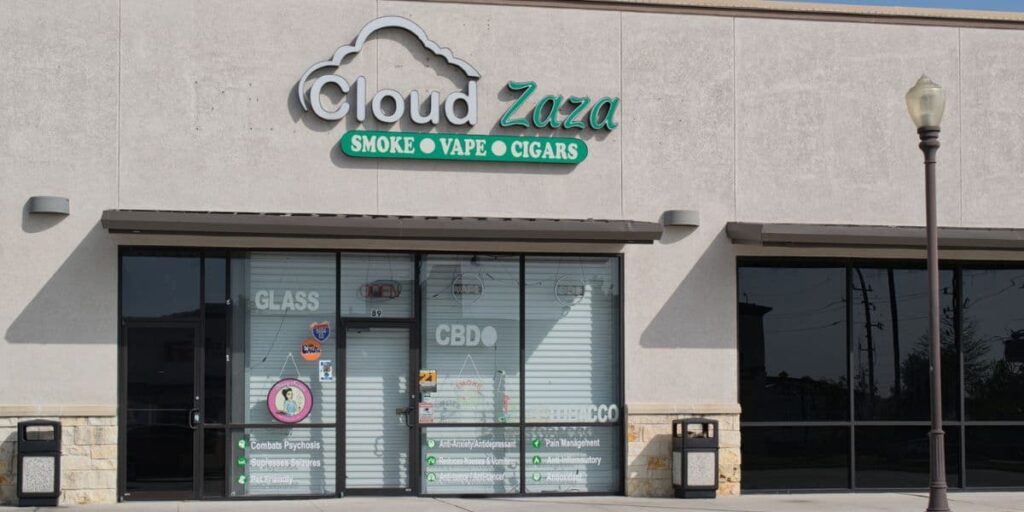
You can find designer drugs in gas stations, convenience stores, head shops, and, increasingly, online. Their “legal high” marketing can mislead people into believing they’re safe alternatives to traditional drugs. However, they are anything but.
Designer Drug Examples
New synthetic drugs are constantly being created, making it impossible to list them all. Generally, designer drugs fall into five main categories of stimulants, sedatives, cannabinoids, dissociatives, and psychedelics.
Some of the most common include:
- GHB
- Bath salts
- Flakka
- Synthetic cannabinoids like Kush, K2, and Spice
- Kratom
Because of how quickly these substances evolve, the Drug Enforcement Administration (DEA) uses an emergency scheduling process to target the chemical components used to create them. This is a reactive approach that underscores how fast this crisis is moving.
Short-Term Effects of Designer Drugs
The short-term effects of designer drugs vary widely depending on the chemical makeup and whether they’re mixed with alcohol or other substances. Some cause intense euphoria or hallucinations, while others depress the body’s natural systems, sometimes fatally.
People may believe these drugs are safer or legal, but the truth is far from it. Each batch can contain unpredictable compounds, and even a slight variation can drastically alter its effects or cause an overdose.
Common short-term effects include:
- Deep sedation
- Hallucinations
- Enhanced focus or motivation
- Lowered inhibitions
- Euphoria
- Empathy or openness
- Increased sexual desire
- Loss of appetite
- Disassociation
- Heightened sensory perception
Those with underlying mental health issues are especially vulnerable to severe psychological reactions, including paranoia, panic attacks, or suicidal thoughts.
Side Effects of Designer Drugs
The side effects of designer drugs can be devastating and unpredictable. Because these substances lack regulation, even experienced users can’t gauge potency or toxicity.
Common side effects include:
- Seizures and respiratory failure
- Heart attack or stroke
- Confusion and agitation
- Muscle rigidity or overheating
- Nausea, vomiting, or dehydration
- Hallucinations and delusions
- Suicidal ideation or psychosis
If you suspect an overdose, call 911 immediately. It’s vital to tell emergency responders exactly what was taken, since many designer drugs don’t show up on standard toxicology screens.
Some individuals initially use synthetic drugs to self-medicate mental health issues like depression or anxiety, unaware that these substances can worsen their condition and create dependency.
As the addiction cycle deepens, professional help becomes essential. In the United States, designer drugs account for more than half of drug-related ER visits, many of which end tragically..
The Hidden Psychological Toll
Beyond physical harm, the mental impact of designer drugs can be long-lasting. Many users experience extreme anxiety, paranoia, and psychosis that persist long after the drug wears off. These aftereffects can mimic or trigger chronic mental health disorders, making recovery more complicated.
Because designer drugs often alter the brain’s chemical balance, they can leave users battling emotional instability, depression, and even suicidal ideation. That’s why dual-diagnosis treatment, addressing both addiction and mental health, is crucial for recovery.
How Education and Awareness Can Help
While legislation struggles to keep up, community education and early prevention are our strongest tools. Parents, teachers, and peers play essential roles in recognizing early signs of substance misuse and dispelling myths about so-called “legal highs.”
Public health campaigns, honest conversations, and youth education programs can reduce the appeal of experimentation and save lives. Knowledge, in this case, truly is power.
Drug Rehab Treatment at White Oak Recovery Center
Overcoming addiction is never easy, but it is possible. No one should have to face it alone.
At White Oak Recovery Center, we create personalized treatment plans tailored to each person’s history, goals, and co-occurring mental health needs.
Our residential treatment program includes 24/7 medical detox supervision, compassionate therapy, and dual diagnosis treatment for those struggling with both addiction and mental health issues.
Here, residents rediscover hope in a peaceful, supportive environment designed to foster long-term recovery. We help individuals not just detox but rebuild.
If you or someone you love is battling designer drug addiction, contact White Oak Recovery Center today to take the first step toward healing.


Medical Disclaimer: