
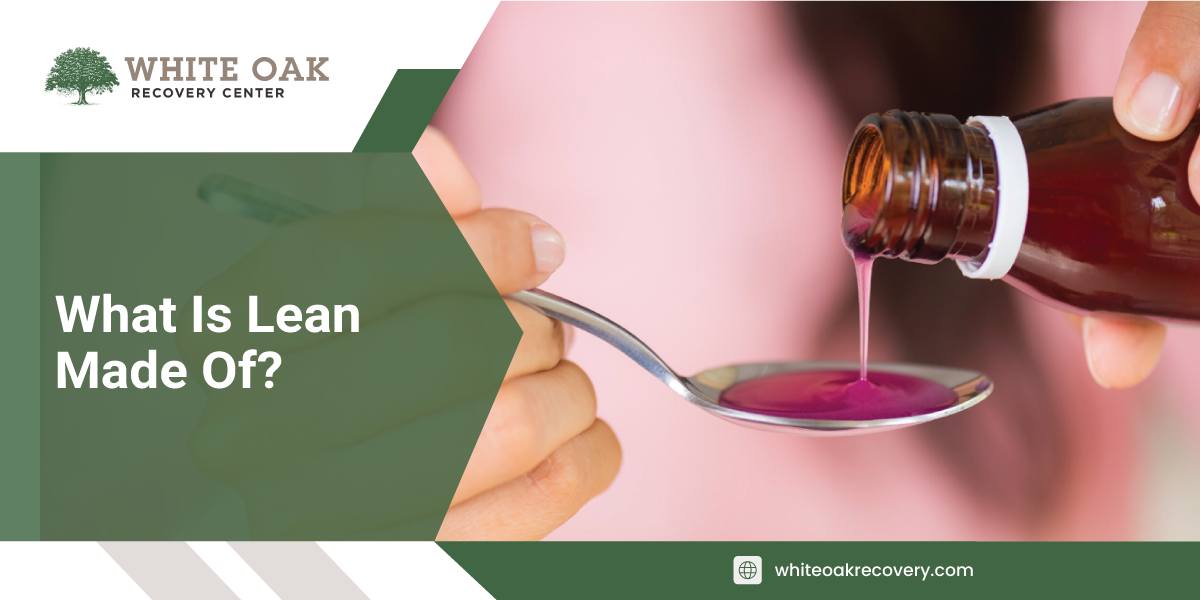
What Is Lean Made Of?

What’s Really in That Cup?
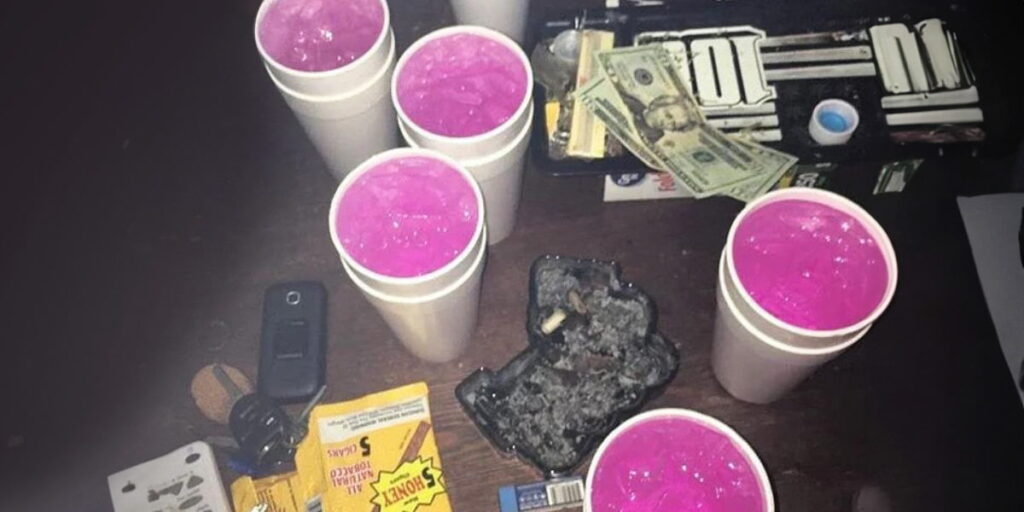
It’s often poured into a Styrofoam cup, mixed with soda, and passed off as harmless—but what’s inside lean tells a very different story. Lean, often referred to as “purple drank,” “sizzurp,” or “dirty sprite,” is more than a pop-culture reference—it’s a recreational drug with serious medical risks. Lean is a recreational drug that has gained notoriety, particularly in hip-hop culture. The drink consists primarily of prescription-strength cough syrup containing codeine and promethazine, mixed with soft drinks and sometimes candy like Jolly Ranchers to enhance its flavor. While it might appear harmless due to its common ingredients, lean is far from safe. This concoction has sedating side effects and carries a high risk of addiction and other severe health consequences. If you’ve ever wondered what lean is made of, the answer reveals why this drug is far more dangerous than it appears. Lean contains a potent mix of substances that can cause serious health issues, including respiratory depression, organ damage, and addiction.
What Is Lean?
Lean is a dangerous recreational drug that combines prescription-strength cough syrup with other easily accessible ingredients. Its misuse has been popularized through music and media, leading many to underestimate its potential harm. Despite its seemingly harmless appearance, lean has a significant impact on the central nervous system, making it a highly addictive and life-threatening substance.
Lean includes a mixture typically composed of:
- Prescription cough syrup containing codeine
- Soft drinks (soda, mainly Sprite)
- Candy (Jolly Ranchers)
- Antihistamine promethazine
- Opioid codeine
- Sweeteners for taste
- Artificial flavoring
- Over-the-counter medications
It originated in Houston, Texas, and became popularized by figures like DJ Screw, who used it to create a relaxed and “chopped and screwed” music style. Lean’s use has since spread, especially among teens and young adults, influenced by hip-hop music, where it is often glorified.
Despite being mixed with soda and candy, lean poses a significant and often underestimated health risk. The opioid codeine present in the cough syrup acts as a central nervous system depressant, causing users to feel relaxed and euphoric. This euphoric effect is further enhanced by the antihistamine promethazine, which intensifies the sedative effects of codeine.
Lean is often consumed in social settings, mixed with soda and candy to mask the taste of the cough syrup. The drink, also called “Texas tea,” has gained a reputation for being “cool” or trendy.
However, this perception belies the dangerous side effects of the drug. It is not just a recreational beverage but a concoction with life-threatening potential. Users of lean might begin drinking it casually. They may not realize the risk of codeine overdose and addiction.
Why Lean Feels So Dangerous Yet Deceptively Calm
One of the most troubling aspects of lean is how quietly it slows the body down, often without the user fully realizing what’s happening. Because both codeine and promethazine depress the central nervous system, basic functions like breathing, heart rate, and blood pressure can gradually drop. This creates a deceptive sense of relaxation that may feel manageable at first, especially in social settings where lean is shared casually.
Over time—or even in a single heavy-use session—this calming effect can turn dangerous. The body may struggle to get enough oxygen, increasing the risk of respiratory depression, loss of consciousness, or overdose. Unlike stimulants, which often produce obvious warning signs, lean’s effects can feel subtle until they suddenly become life-threatening. This is one reason lean-related overdoses are so dangerous: users often don’t recognize the severity of the situation until emergency intervention is needed.
What Is Lean Made Of?
Lean is a combination of legal substances that can quickly become dangerous—and even deadly—when misused or consumed outside medical guidance. Understanding what lean is made of helps explain why misuse can lead to addiction, overdose, and long-term health damage. Its key components, codeine and promethazine, are potent medications that, when combined and consumed in large amounts, can have severe and sometimes fatal consequences. Understanding the specific ingredients in lean is essential for recognizing its potential for abuse and addiction.
Lean’s primary ingredient is a codeine-based cough syrup, which combines:
- Codeine (an opioid)
- Promethazine (an antihistamine)
- Soft drink mixers
- Artificial flavorings
- Food coloring
- Added sugar
- Synthetic dyes
- Other inactive ingredients
These substances have a powerful effect on the central nervous system. Codeine, a controlled substance, alleviates pain and suppresses coughing. However, when taken in high doses, it induces a state of euphoria and relaxation. Promethazine, on the other hand, enhances the sedative effects of codeine, making the drink even more potent.

Signs of Lean Misuse and Overdose
Lean misuse doesn’t always begin with obvious red flags, which can make it especially difficult for friends and family to recognize. Early warning signs often develop gradually and may be mistaken for fatigue or illness, but commonly include:
- Excessive drowsiness or sedation
- Slowed reaction time
- Slurred or slowed speech
- Difficulty concentrating or staying focused
As misuse continues, individuals may appear increasingly disconnected from their surroundings, unusually lethargic, or confused—even during routine conversations.
More serious warning signs can indicate an overdose or a medical emergency and require immediate attention, including:
- Severely slowed or irregular breathing
- Bluish lips or fingertips (a sign of oxygen deprivation)
- Persistent vomiting or choking
- Fainting or loss of consciousness
- Inability to wake up or respond
The risk of these outcomes increases significantly when lean is mixed with alcohol, benzodiazepines, or other opioids, as these substances compound each other’s depressant effects on the body. Recognizing these symptoms early and seeking immediate medical help can be lifesaving.
Lean Addiction Treatment at White Oak Recovery Center
For those struggling with codeine addiction, professional treatment is crucial. At White Oak Recovery Center (WORC), comprehensive addiction treatment programs are tailored to address the unique challenges of each patient’s substance abuse.
Knowing what lean is made of is often the first step toward recognizing the need for professional addiction treatment. Lean addiction is a complex condition that often requires a multifaceted approach to treatment. WORC provides evidence-based treatment programs and therapies designed to help people overcome their battle with substance abuse and reclaim their lives.
Treatment at White Oak Recovery Center begins with medically supervised detox, a critical first step in managing the physical and mental challenges of lean withdrawal. In this safe, supportive setting, individuals are closely monitored by medical professionals to reduce discomfort and minimize the risk of complications.
After detox, residents engage in evidence-based therapies such as cognitive-behavioral therapy (CBT), along with individual and group counseling. Treatment is personalized to address the underlying causes of addiction, co-occurring mental health conditions through dual diagnosis care, family dynamics, and long-term relapse prevention. With compassionate support and a comprehensive approach, White Oak Recovery Center equips individuals with the tools and confidence needed to build and sustain a healthier, drug-free life. Reach out to WORC today. A life rooted in meaningful recovery awaits you.


Medical Disclaimer: